










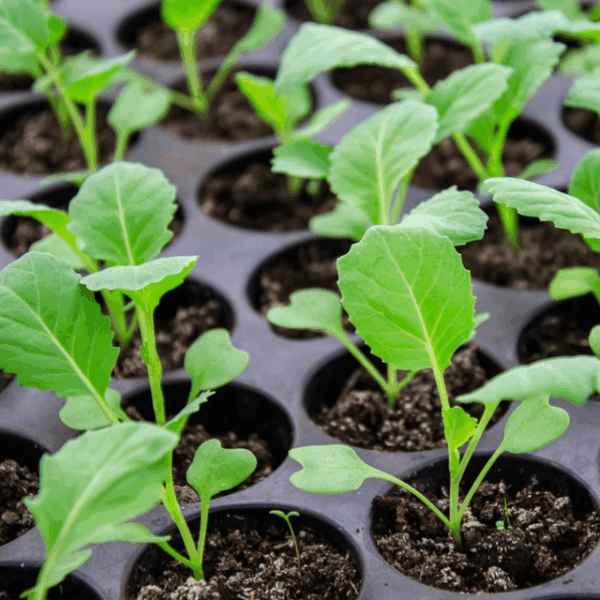
Sweet Georgia F1
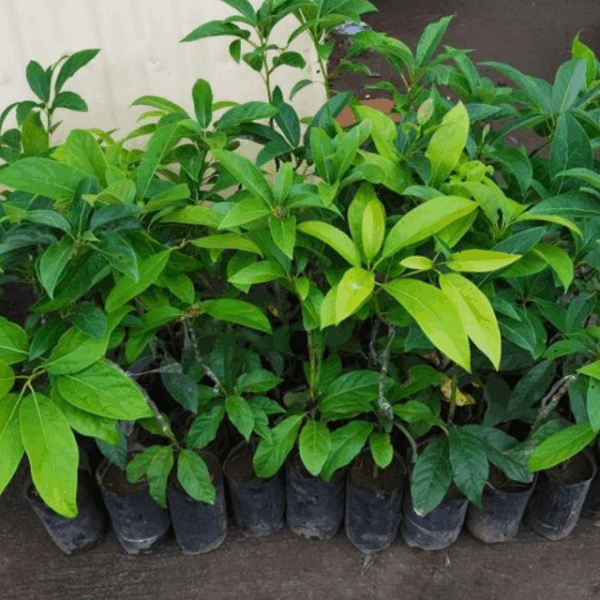
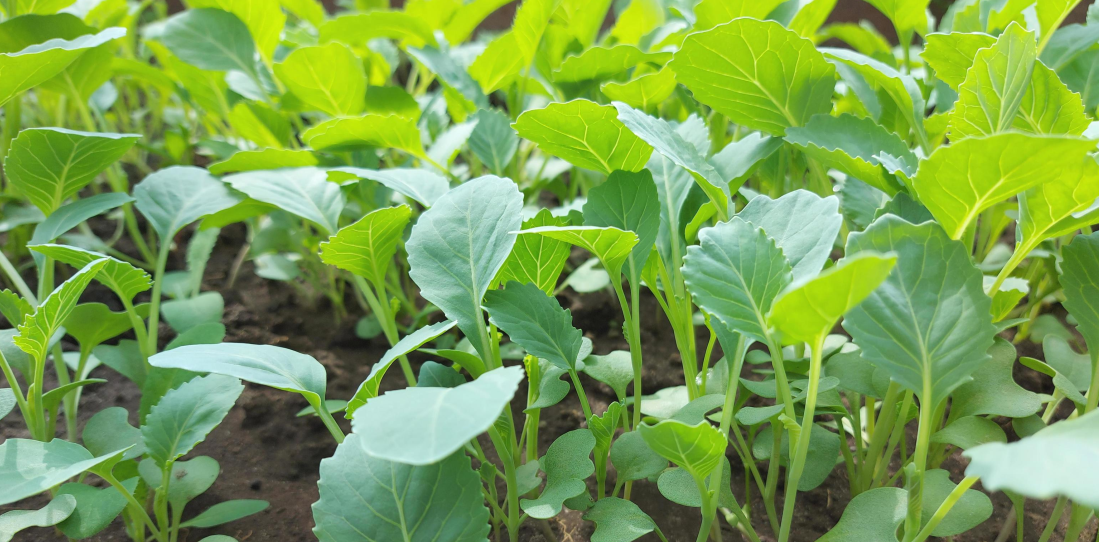
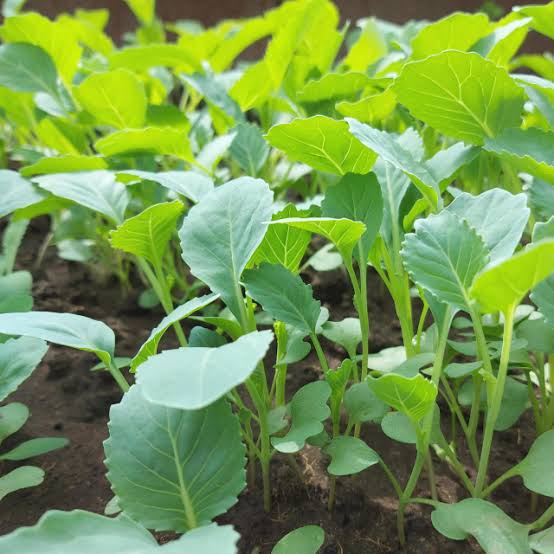
Sweet Georgia is a nutritious and high yielding variety of Kales. Sweet Georgia F1 sukuma wiki is distinguished by its dark green leaves, sweet and soft when cooked. One of the key striking features of this variety of kales is that harvesting can be done on a continuous basis.
Features of Hybrid Sweet Georgia
- Harvesting starts from 40-45 days after transplanting. The variety can be harvested for a longer period of time.
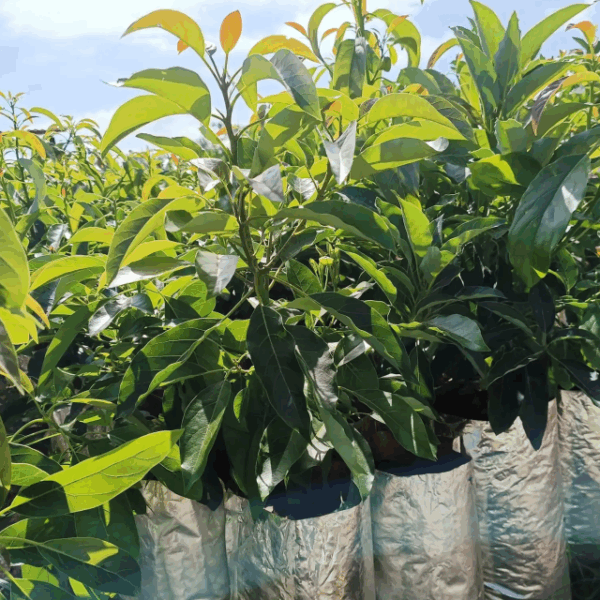
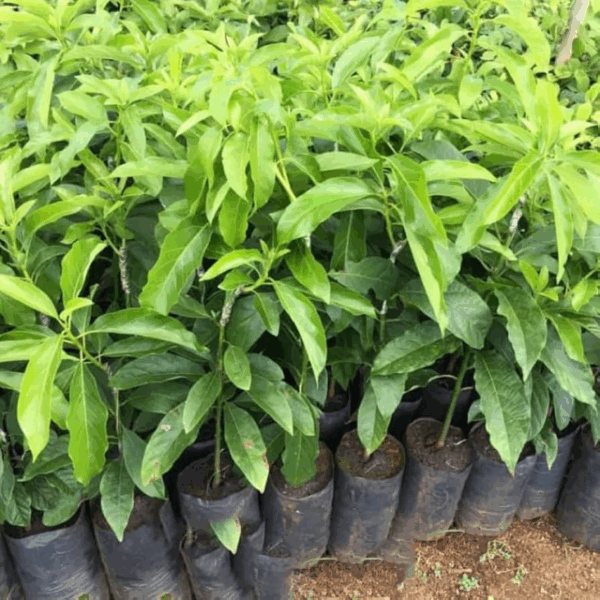
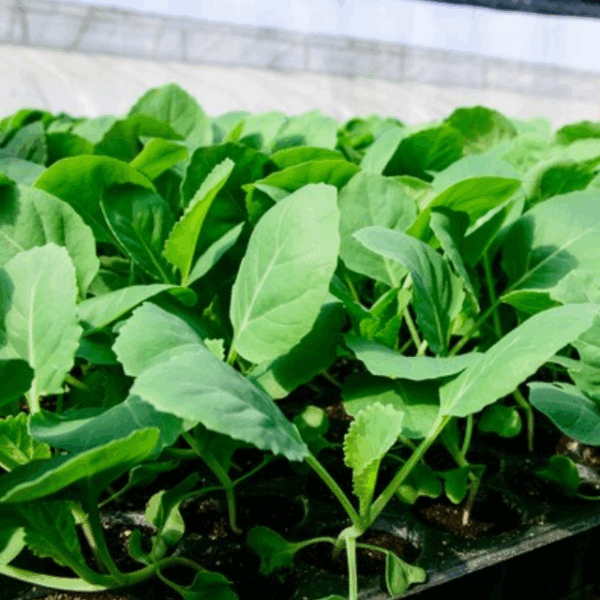
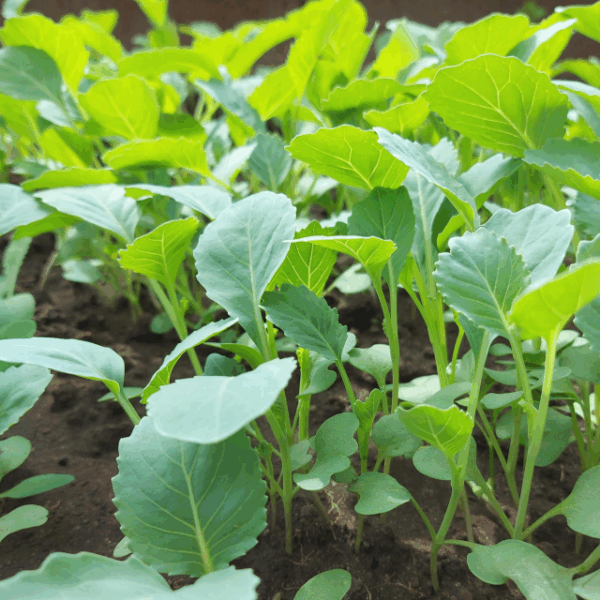
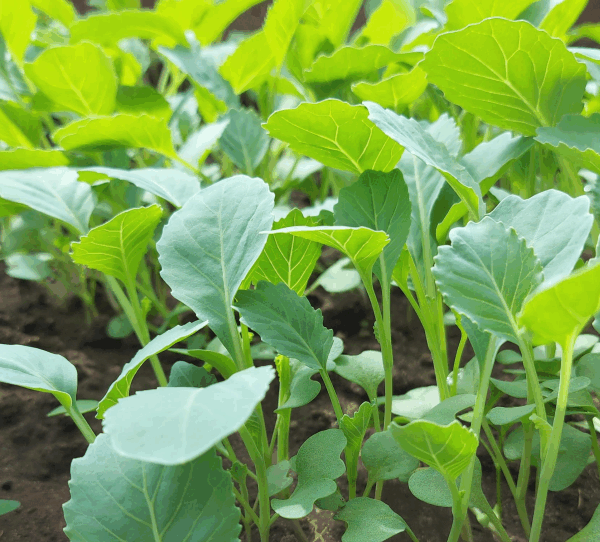
- Leaves sizes. The variety tends to have Large, medium dark green wide leaves
- Crop Uniformity: Sweet Georgia Kales have great uniform stand and fast regrowth.
- Stem behaviour Short intermodal length – repeated heavy harvest of leaves
- Stem behaviour- Widely adapted and slow to bolt
- Taste – Sweet Gorgia variety is very palatable, easy to cook with sweet crunchy taste.
- Disease Resiatance. Highly resistant to block rot diseases
How to grow sweet Georgia F1 Collards.
-
Soil Preparation
Sweet Georgia performs best in well-drained, fertile loam soils with a pH of 5.8 to 6.5. Land should be deeply ploughed and harrowed to a fine tilth. Incorporating compost or well-rotted manure improves soil fertility and structure.
-
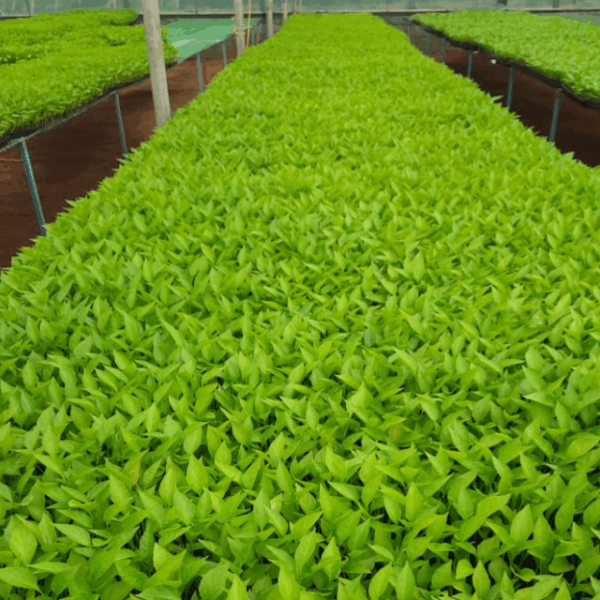
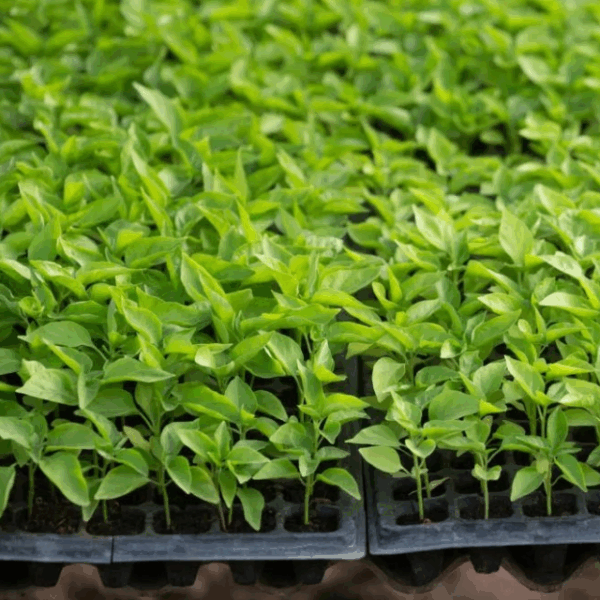
Nursery Establishment
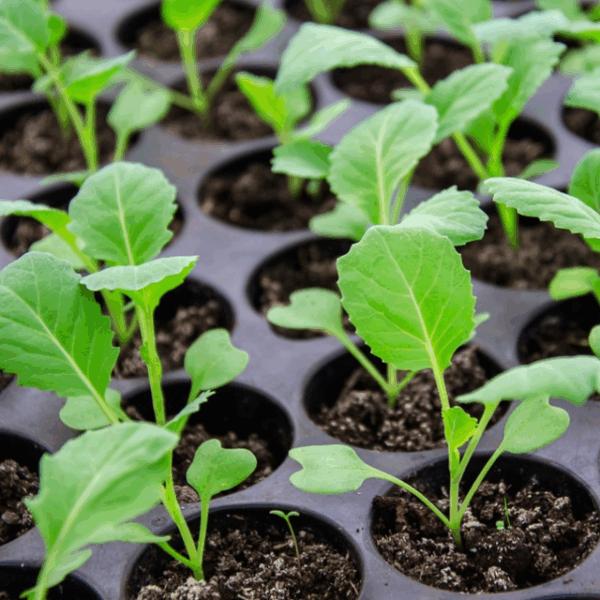
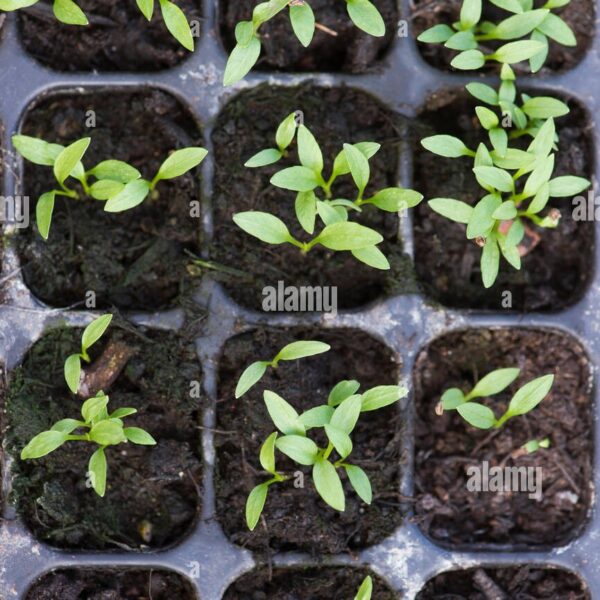
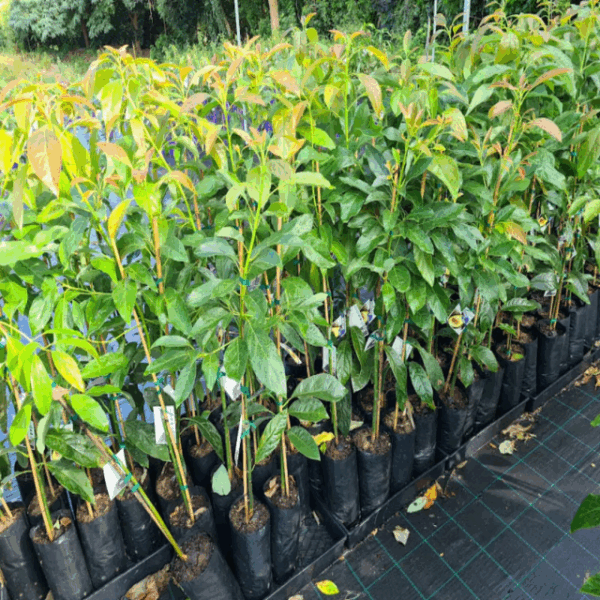
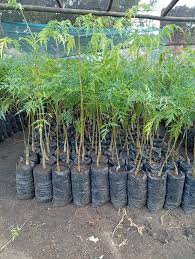
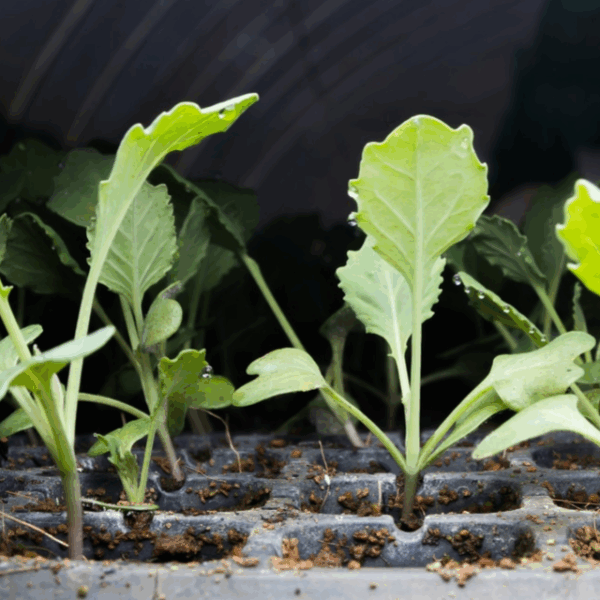
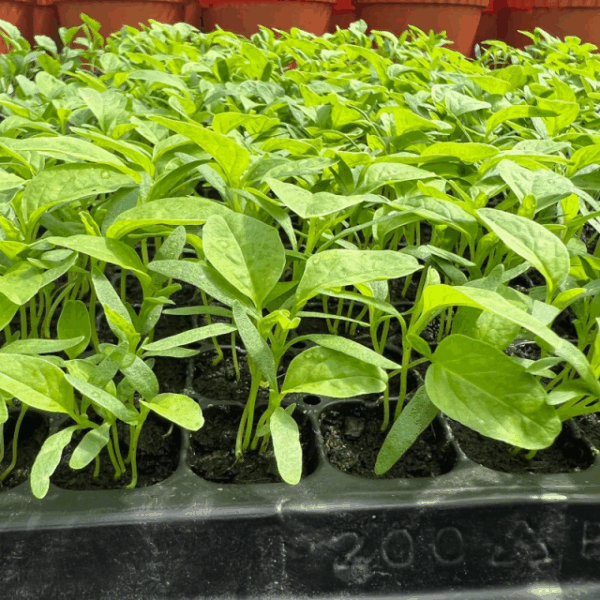
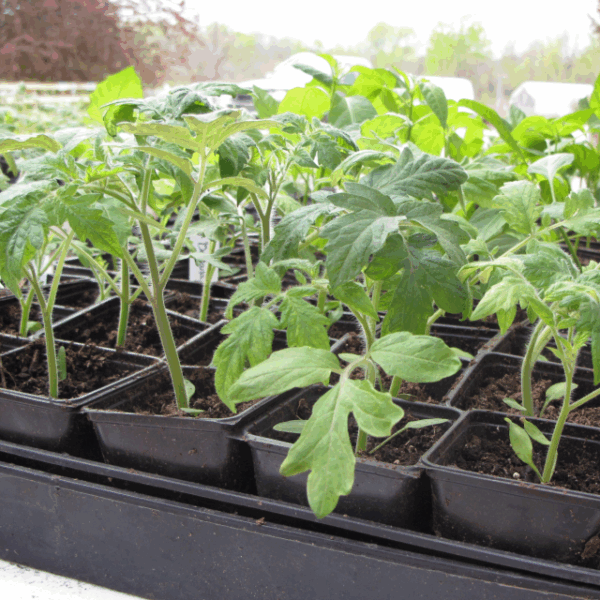
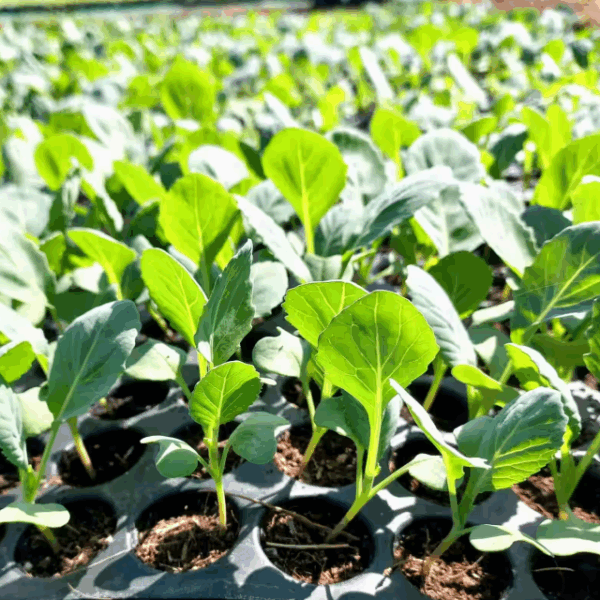
Sweet Georgia kales is usually started in a nursery before transplanting. You can also buy seedlings from certified nurseries such as Panda Seedlings and Nurseries. Transplant Sweet Georgia seedlings when they have 4–5 true leaves (about 3–4 weeks old).
-
Transplanting and Spacing
- Transplant in moist soil, preferably late in the afternoon.
- Common spacing: 60 cm x 60 cm or 45 cm x 60 cm. Please ensure there is enough path in the farm to ease farm operations.
- Apply a starter fertilizer like DAP at transplanting. Use of organic manure is highly encouraged.
-
Fertilization
Planting: Use compost and DAP or TSP during transplanting.
Top dressing: Apply CAN or urea 3–4 weeks after transplanting, followed by a second application two weeks later.
A balanced nutrient regime (NPK, calcium, boron, magnesium) is key for proper head formation.
-
Irrigation
Sweet Georgia F1 Kales requires regular water throughout its growth, especially during leaf expansion. Drip irrigation, sprinkler or furrow systems are commonly used. Avoid waterlogging.
-
Weed and Pest Management
Weeding should be done regularly, especially early in the growth cycle.
Common pests:
- Diamondback moth
- Aphids
- Cabbage looper
- Cutworms
Control methods:
- Biological controls (e.g., Bacillus thuringiensis)
- Neem-based products
- Pesticides (use responsibly to avoid resistance and residue)
Diseases:
- Black rot
- Fusarium wilt
- Downy mildew
Purchase certified seedlings from Panda Seedlings, rotate crops, and practice good field hygiene to minimize disease. You can purchase from our plant propagation centre or from our online seedling shop.
-
Harvesting
Sweet Georgia F1 are ready for harvest 75–100 days after transplanting, depending on variety. Harvest when heads are firm and well-formed. Delay in harvesting can lead to splitting and losses.


Reviews
Clear filtersThere are no reviews yet.