










FordHook Giant Spinach
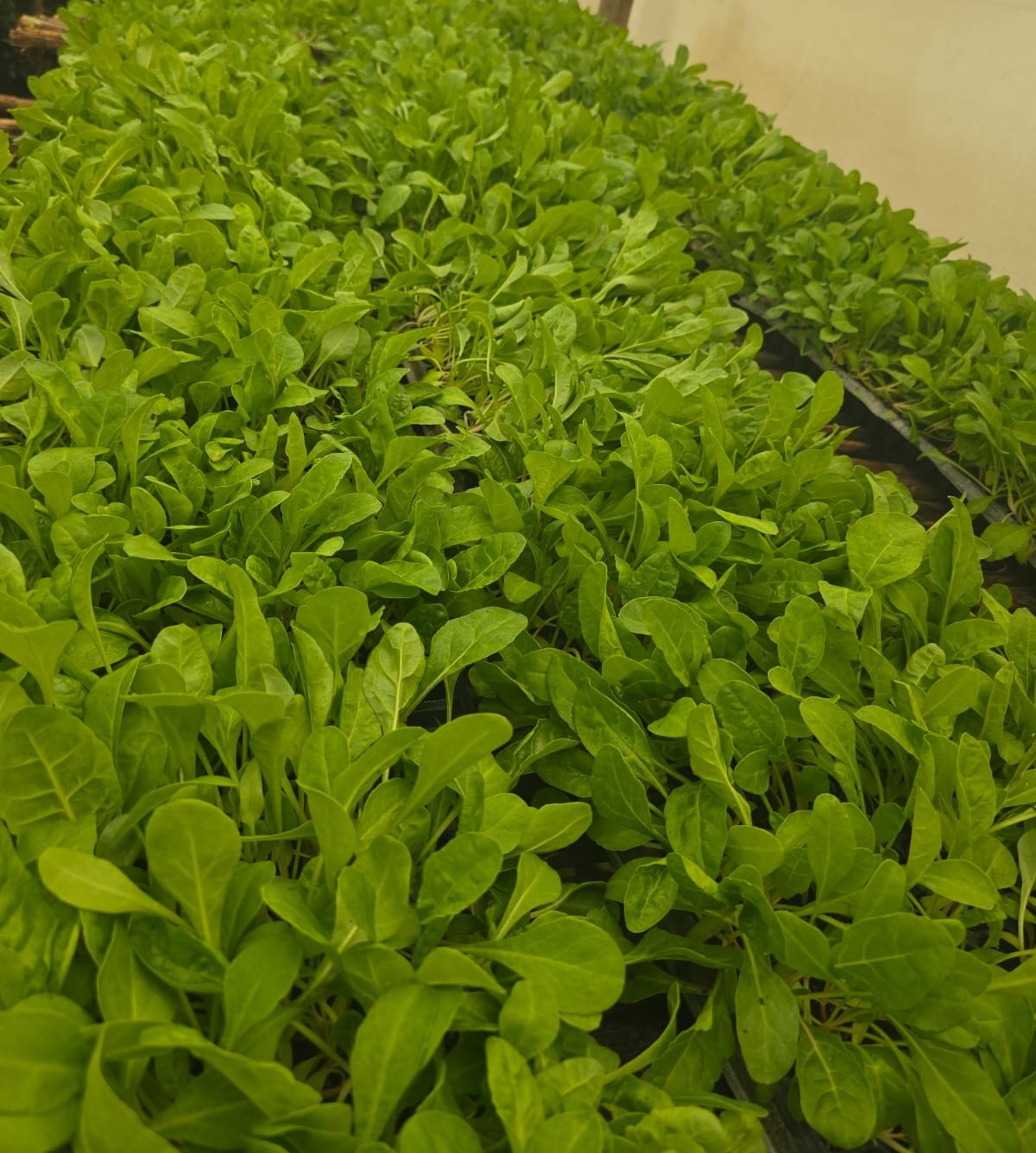
Fordhook Giant spinach is one of the most common spinach varieties grown in Kenya. Botanically, FordHook Giant spinach, a variety under brasiccas is valued for its large dark-green leaves, thick white stalks, vigorous growth, and resistance to premature flowering. This spinach variety is also nutritious and has very levels of anti-oxidants compounds that is highly sourced after. It can be gown in virtually all the climatic regions of Kenya.
Features of Fordhook Giant
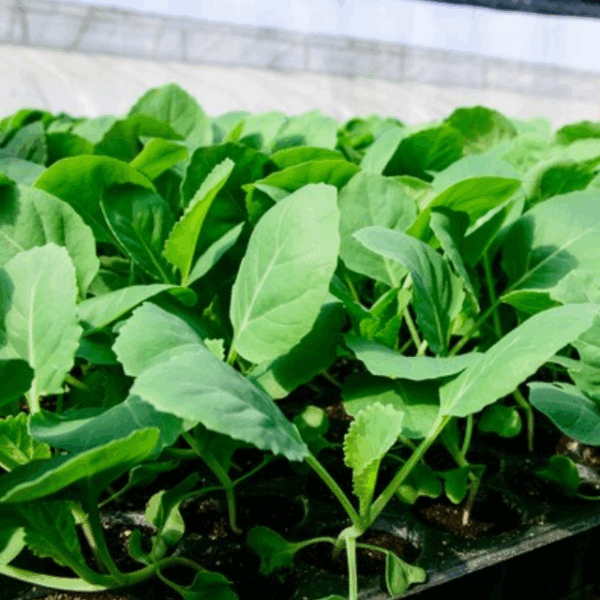
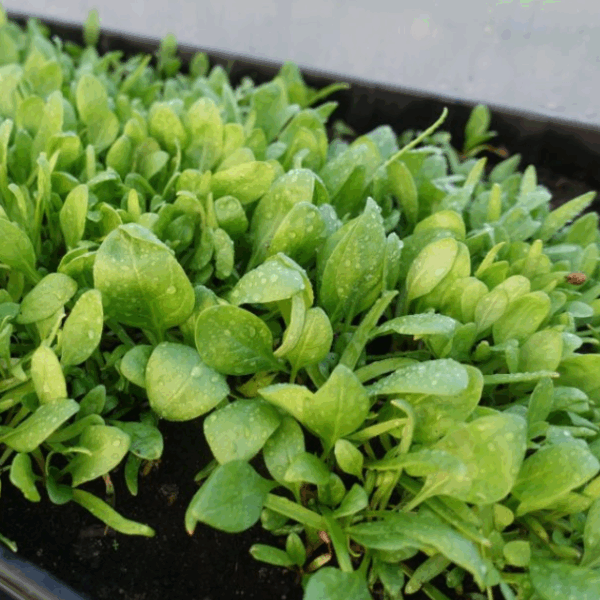
- Leaves- Has large, semi-savoy (slightly crinkled) dark-green leaves.
- Leaf stalks-Thick white petioles (leaf stalks).
- Growth-Fast-growing and widely adaptable.
- Bolting tolerance. Good tolerance to heat and bolting.
- Harvesting. First harvest typically starts about 45–60 days after planting.
How to Grow Ford Spinach
Climatic Requirements
Ford Hook Spinach grows well in cool climates of Kenya. This is because genetically, it is a temperate crop. However, hotter regions can still grow the same crop but under a shade net. Depending on the climate, you can either select to grow them under 30%, 50%, 75% or 90% shade nets.
Nursery Management.
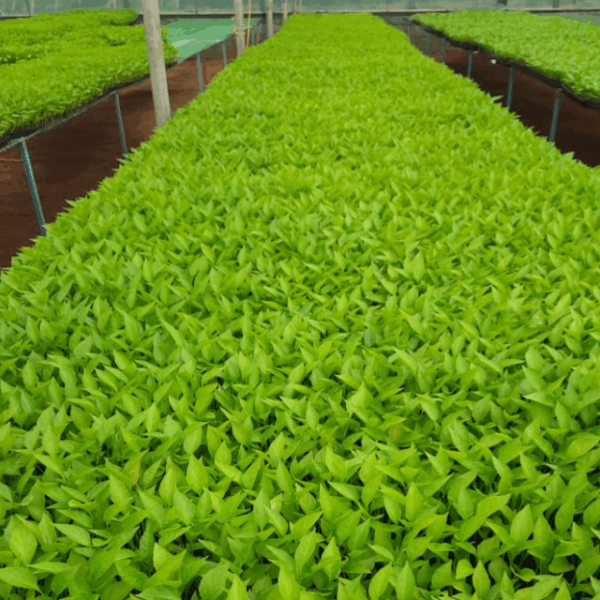
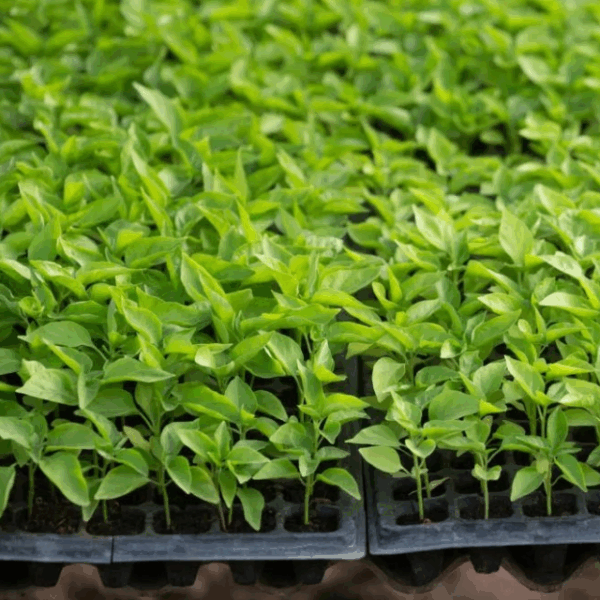
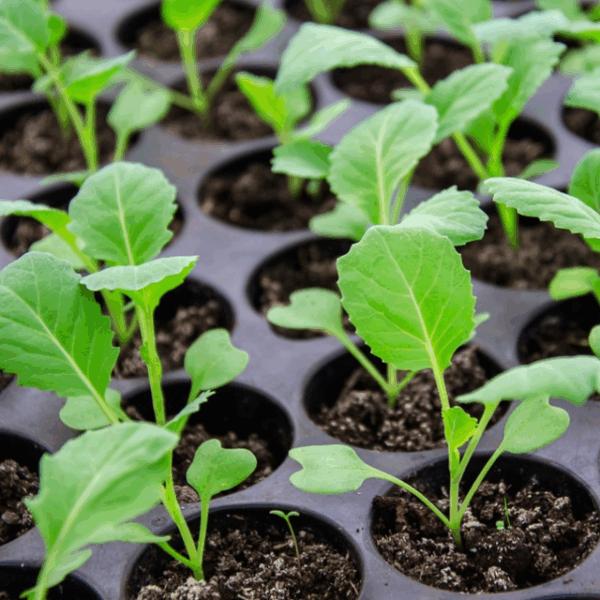
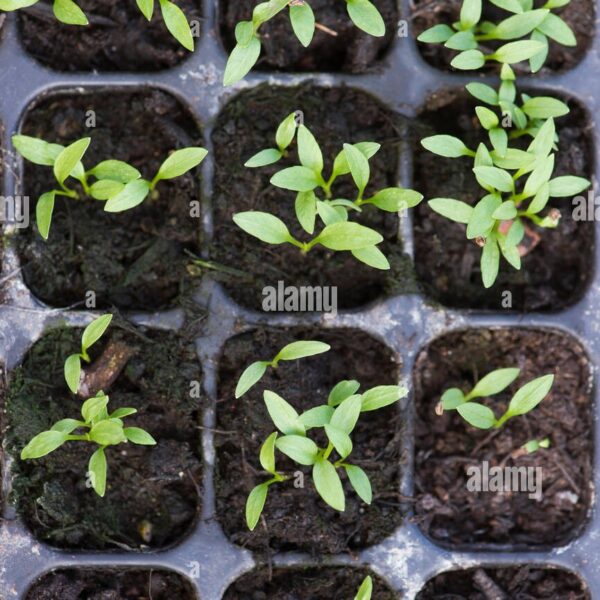
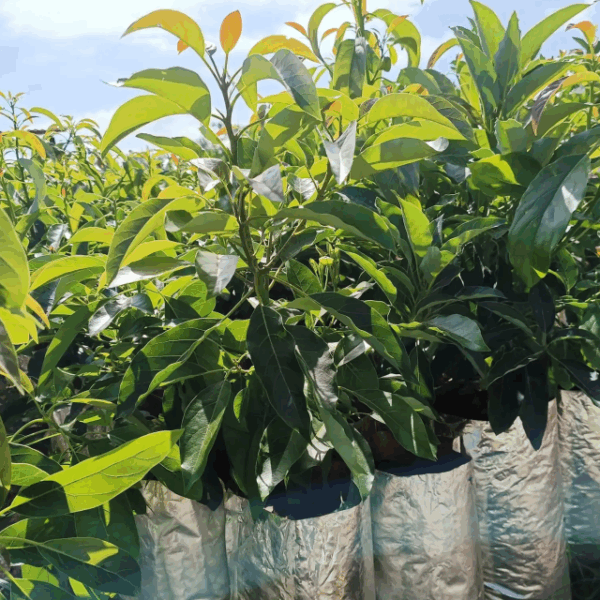
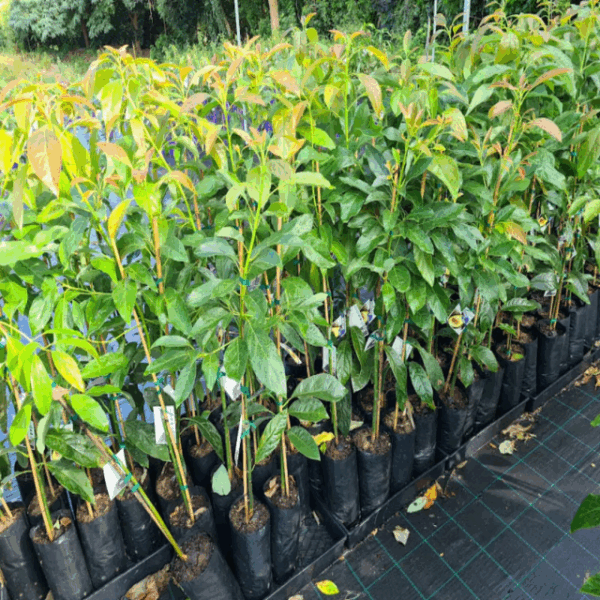
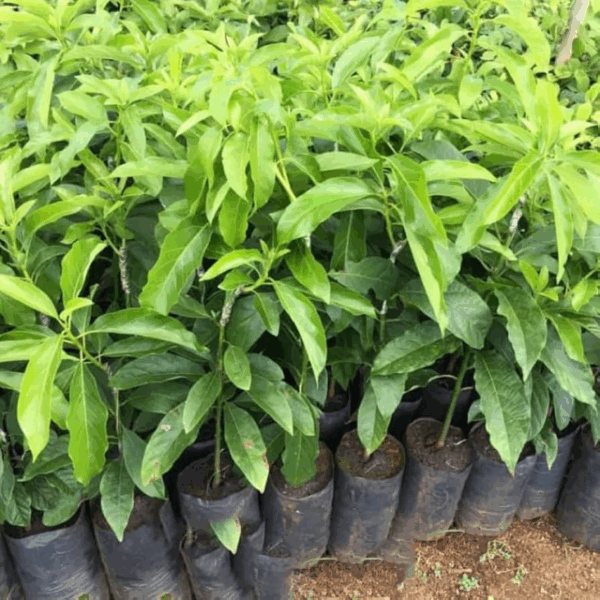
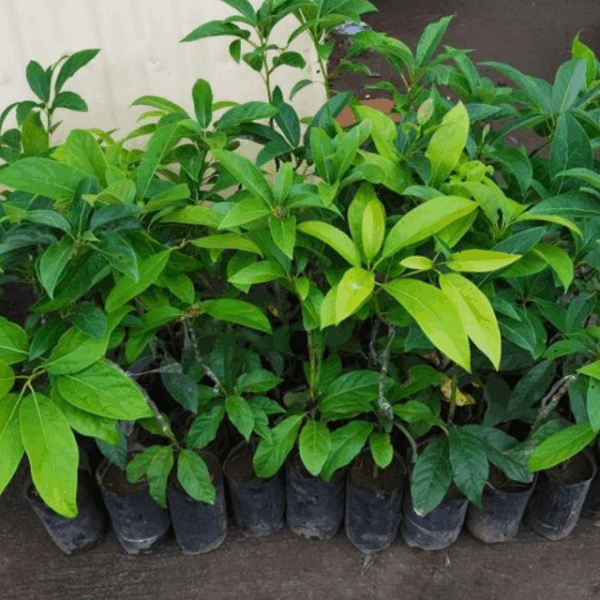
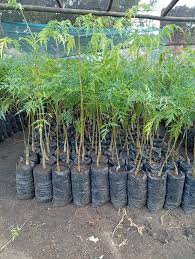
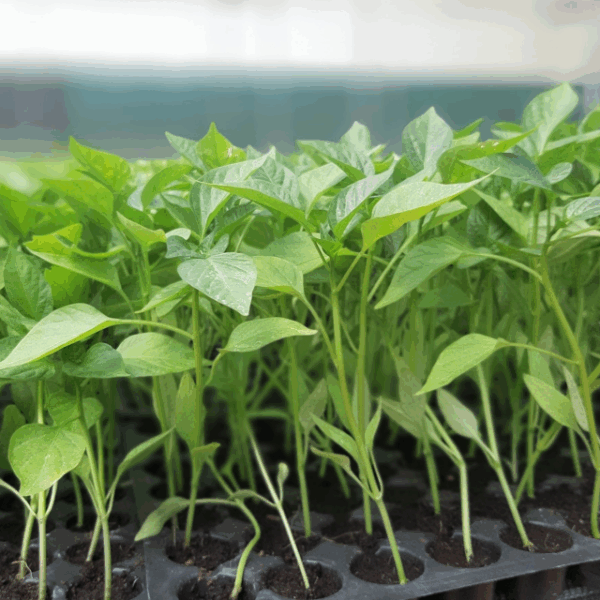
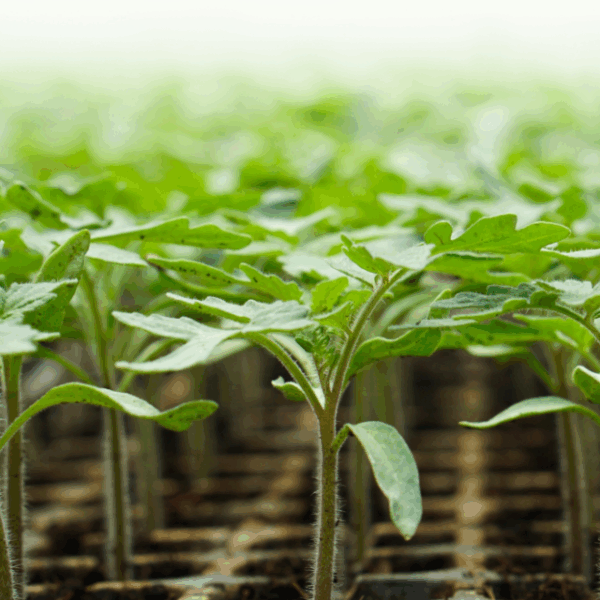
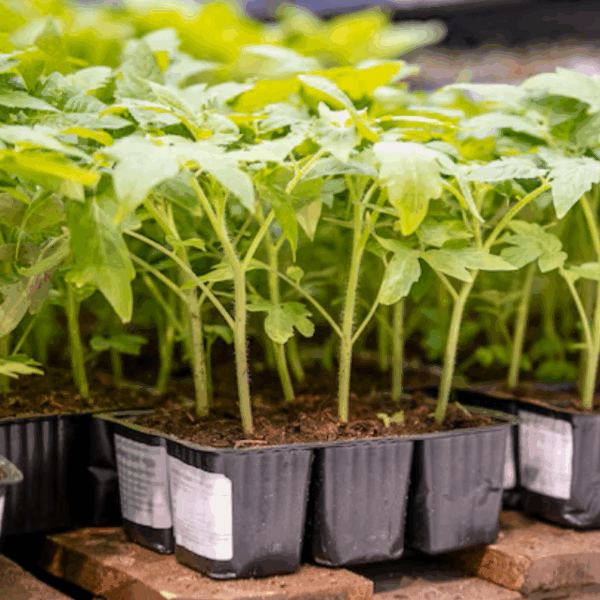
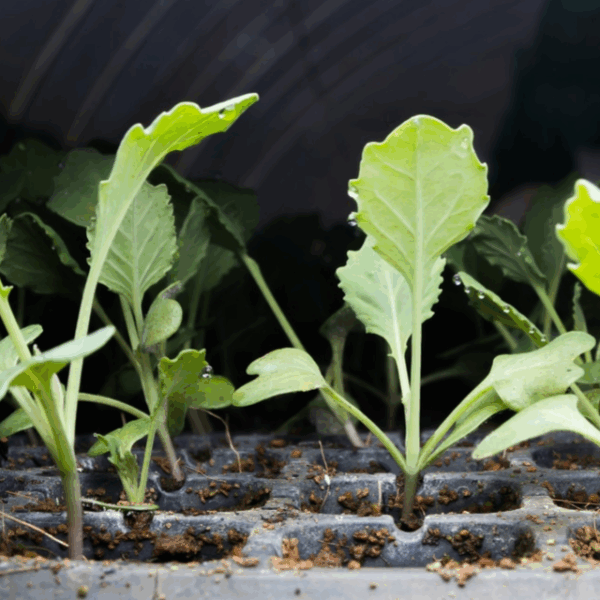
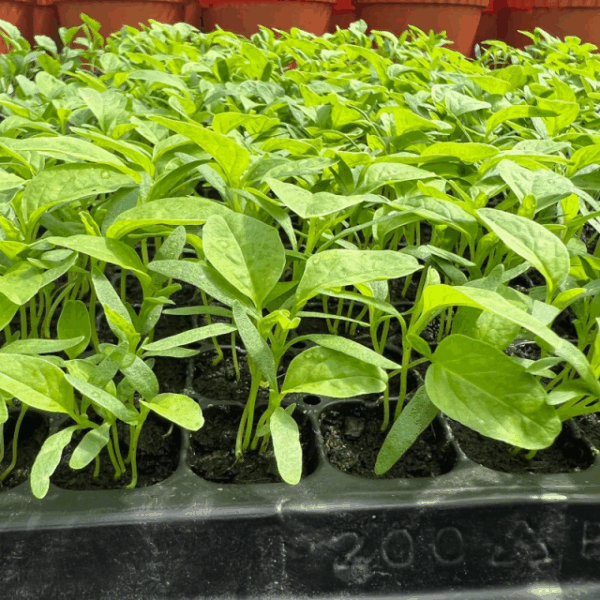
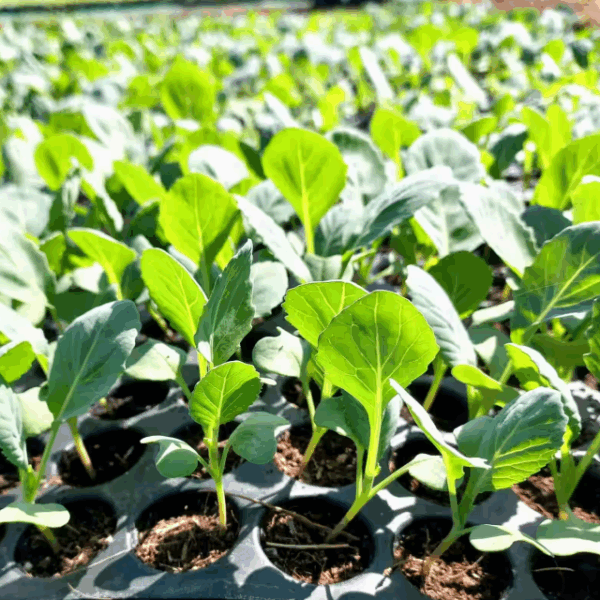
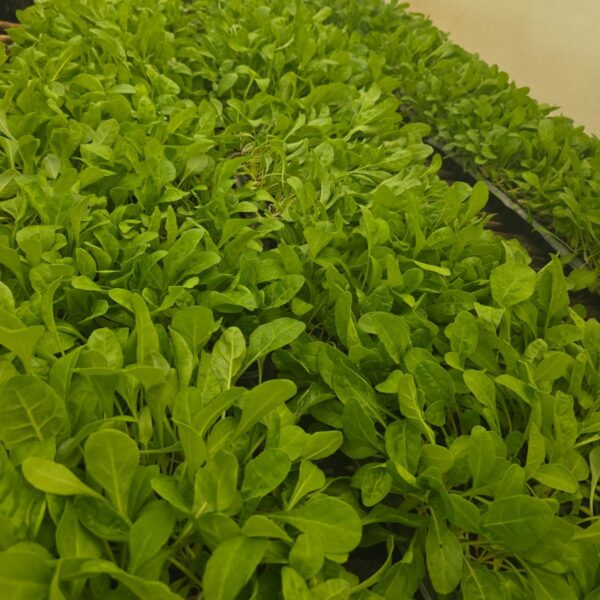
The best way to grow spinach is by raising them in a nursery first before transplanting them. Usually, FordHook Giant Spinach stays in a seedling’s nursery for 21 to 28 days. Purchase ready seedlings from Panda Seedlings and Nurseries and be ahead on your planting calendar.
Why you should buy ready FordHook Giant Spinach seedlings from Panda Seedlings
- Healthy seedling: Our seedlings are strong, healthy and disease free.
- Operational cost savings: You save on time and reduce your labour cost.
- You can easily purchase spinach seedlings online or our propagation centres.
- Easy logistics: Don’t worry about transportation hustle, we will easily do that for you.
- Early seedling maturity: Our ready seedlings will make you beat competition easily.
- Crop uniformity. Our ready seedlings will guarantee you a uniform crop stand. This means you you sell a single or entire harvest at once.
- Transplanting shock. Our seedlings will guarantee you zero transplanting shock.
Transplanting
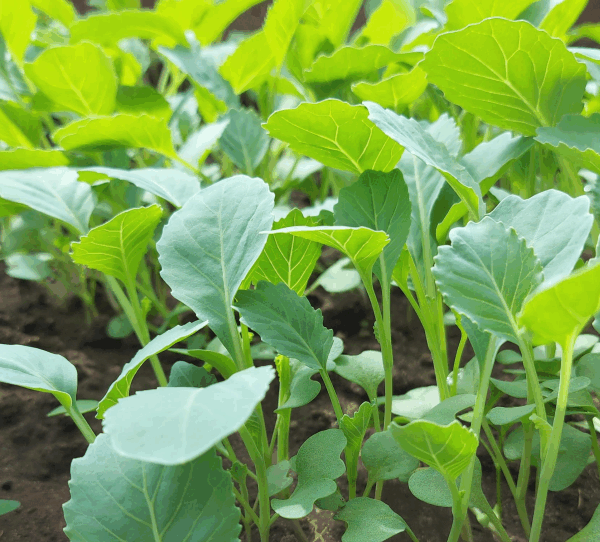
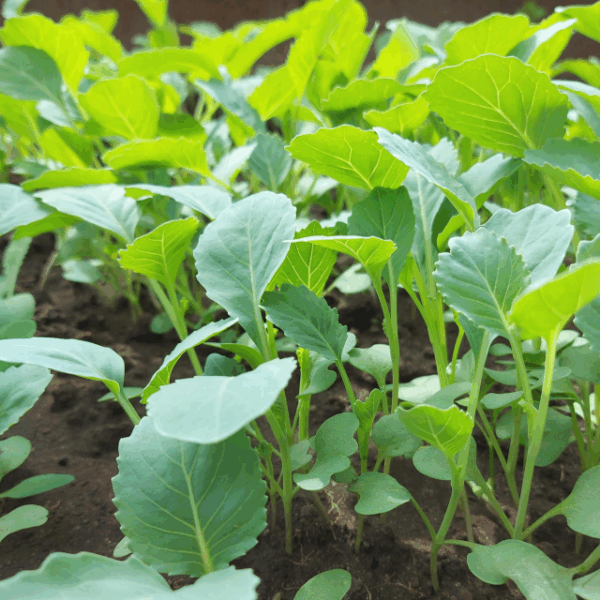
Just like kales, cabbages and other brassicas, Fordhook Giant spinach seedlings are transplanted at 3 to 4 leaves stage. When you purchase our ready seedlings, we ensure that you not only get mature seedlings but also stronger and healthy ones.
Transplant in a cool weather, either in the morning or in the evening. You can also take advantage of cloudy weather during the day.
During transplanting, mix a high P fertilizer with well decomposed manure. High phosphorous is good for seedlings’ root establishment.
Weeding
Carry out regular weeding to prevent plant suffocation. Weeds are dangerous because they are hiding grounds for pests and diseases. Weed free Fordhook Giant field will definitely lead to increased yield.
Irrigation.
For Fordhook Giant spinach to show its full potential, regular and consistent weeding is required. This crop can do well under drip, overhead or flood irrigation. Some of the overhead irrigation systems that do well on spinach include rain guns, rain hose and
Pests and Disease Control
Common Pests
Cutworms and wireworms
Cutworms cut off the stems of young spinach seedlings at ground level while wireworms feed on the foliage and roots.
Aphids
These are small soft bodied insects found on underside of leaves and/or stems of plant; usually green or yellow in color. Infestation causes yellowing and distortion of leaves, formation of necrotic spots and stunted shoots. Aphids secrete a sticky, sugary substance (honeydew) which encourages the growth of sooty mold on the plants
Spinach crown mite
Spinach mites live deep in the crown of the spinach plant. Their feeding causes deformation of leaves and small holes form in newly expanding leaves. Damage can be to newly emerged seedlings or to older plants.
Slugs and snails
They leave relatively large holes in spinach leaves. Slimy trails are evident.
Leaf miners
Miners usually leave behind meandering tan trails or mines on the leaves as they feed. Heavily infested leaves curl and become distorted.
Spinach Diseases
Damping off and root rot
Symptoms include poor seed germination, pre-emergence death of seedlings, post emergence death of newly emerged seedlings, stunted plants, yellowed lower leaves, general poor growth, wilting, and eventual collapse and death of older plants. Roots of the infected plants appear water-soaked or brown to black in color. The upper taproot may be girdled by a necrotic lesion, and the tip of the taproot may be necrotic. In severe cases of infection, nearly all roots become
Downy mildew
The leaves are initially dull to bright yellow spots form on cotyledons and leaves of all stages. These spots enlarge and become browning and dry. Close inspection of the underside of the leaf often reveals the purple growth of the fungus. In severe cases of infection, leaves appear curled and distorted and may take on a blighted effect as a result of numerous infection sites.
Anthracnose
The leave in the beginning usually depicts, small, circular, water – soaked lesions form on both young and old leaves. As infection advances, these lesions turn brownish in color, and become thin and papery. In severe cases, lesions coalesce and cause severe blighting. Tiny black fruiting bodies (acervuli) form profusely in diseased tissue and are a characteristic feature of the disease.
FordHook Giant Nutrition
Spinach requires sufficient nutrients to realize their full potential. It is therefore important to ensure that these nutrients are made available and in the needed quantities. Apply high phosphorous fertilizers at planting and high N during the vegetative stage. You can supplement basal fertilizers with once in while application of foliar fertilizers.
Maturity and Harvesting
Ford Hook Giant Spinach leaves are ready for harvesting from 35 to 45 days after transplanting.
During harvesting, The whole plant can be harvested at once (as a bunch), or individual leaves may be picked off plants one layer at a time. Pick only the outer (older) leaves. This allows the center/young ones to grow larger and this makes the plant to keep producing. It also gives the advantage of briefly delaying flowering.
Post Harvest Handling
Fordhook Giant Spinach are highly perishable and will not maintain good quality for more than 14 weeks. They will start wilting, yellowing of leaves, and decay which will lead to losses. Store in a cool place or in a refrigerator.
Enjoy agronomy support when you purchase any seedlings from us.
.


Reviews
Clear filtersThere are no reviews yet.