



















Tomato farming in Kenya is a profitable agricultural venture due to the high demand for tomatoes both in local and regional markets. Here’s a comprehensive guide covering key aspects:
Climatic Requirements:
- Altitude: Grows well between 0 – 2,000m above sea level.
- Temperature: Ideal range is 20°C–27°C; extreme temperatures affect fruiting.
- Rainfall: Requires 600–1,200 mm/year; irrigation is necessary in dry areas.
Land Preparation:
- Plough and harrow soil to a fine tilth.
- Add organic manure (well-decomposed) to improve fertility.
- Use raised beds or ridges to enhance drainage
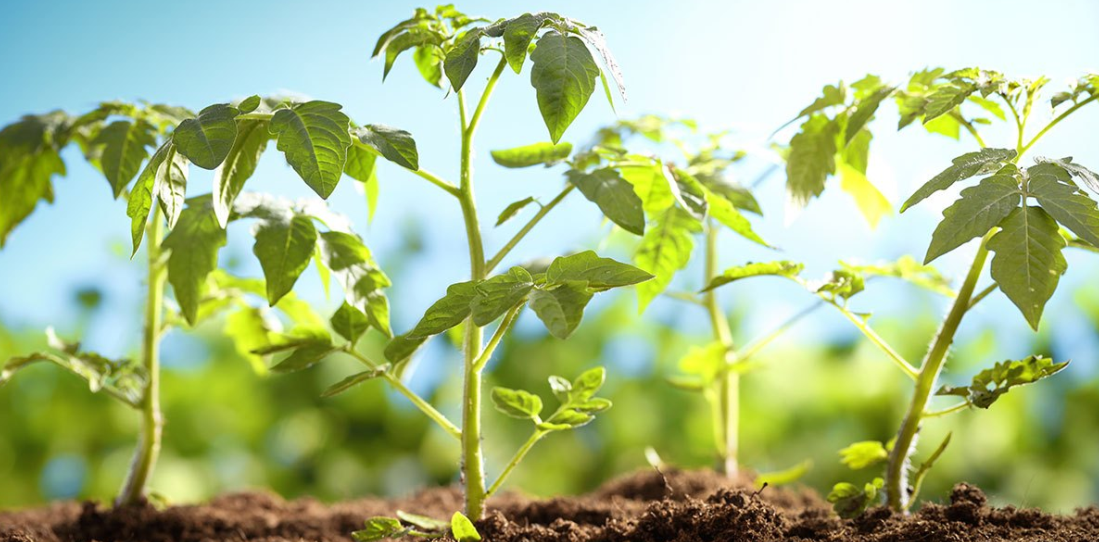
Nursery Management:
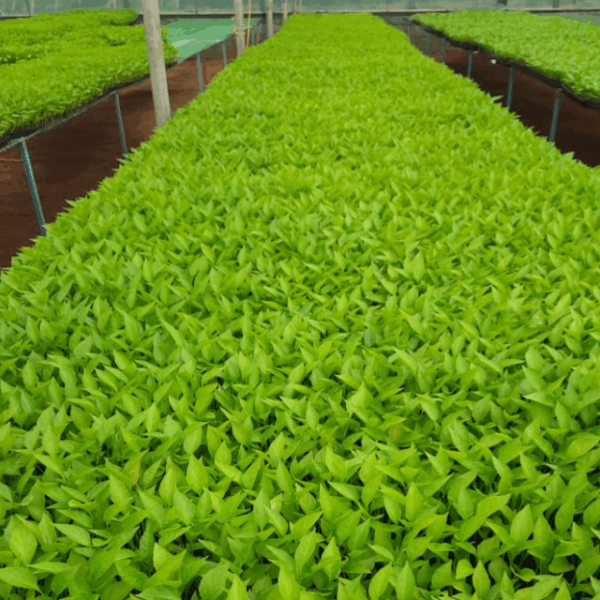
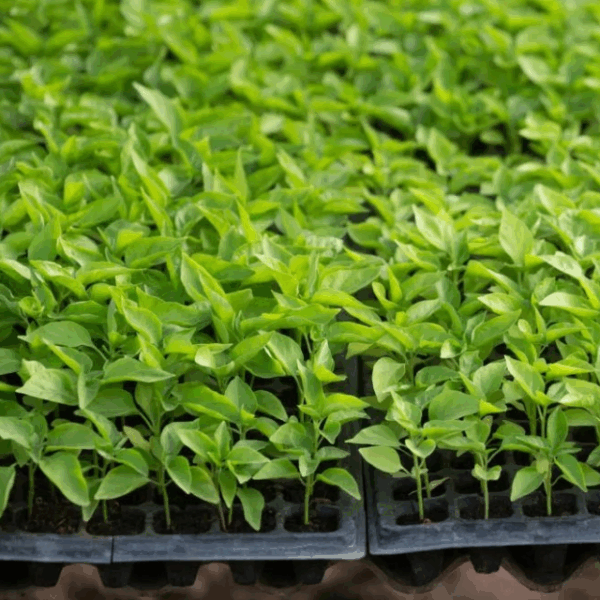
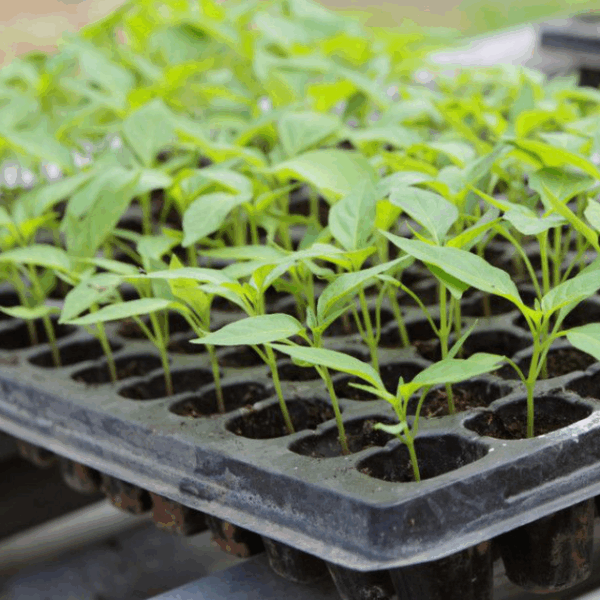
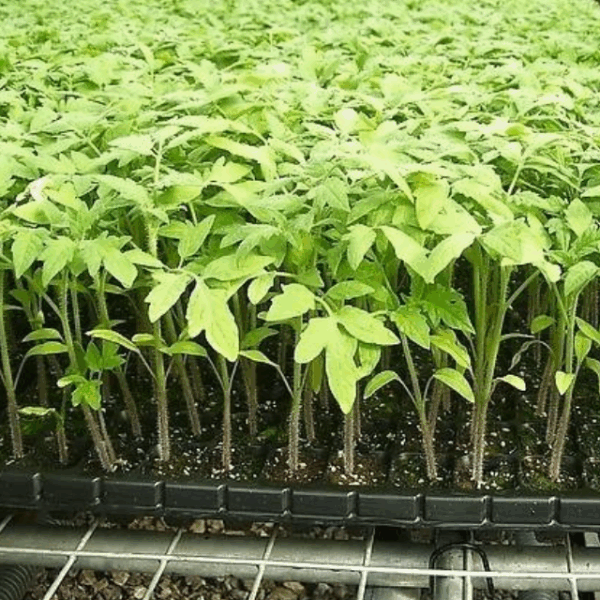
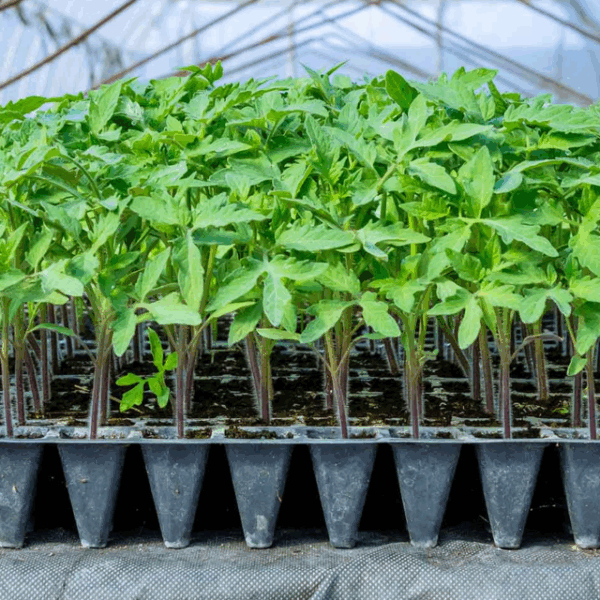
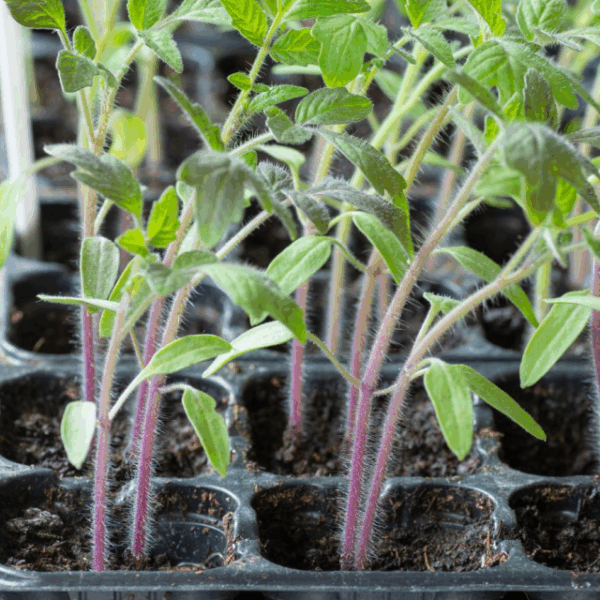
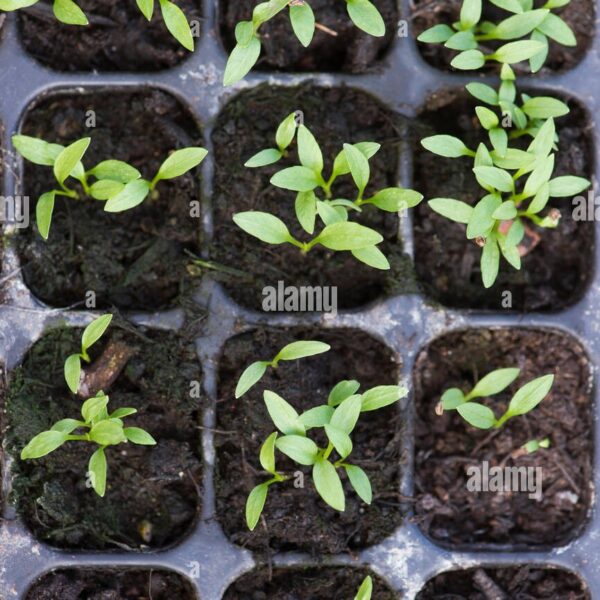
- Sow seeds in a nursery bed or trays.
- Use well-drained soil mixed with compost.
- Germination in 5–7 days; transplant after 3–4 weeks
Transplanting:
- Harden seedlings by reducing water a few days before transplant.
- Transplant in the late afternoon or on a cloudy day.
- Spacing:
Indeterminate: 60cm x 75cm
Determinate: 45cm x 60cm
Crop Management:
- Watering: Regular watering, especially during flowering and fruiting.
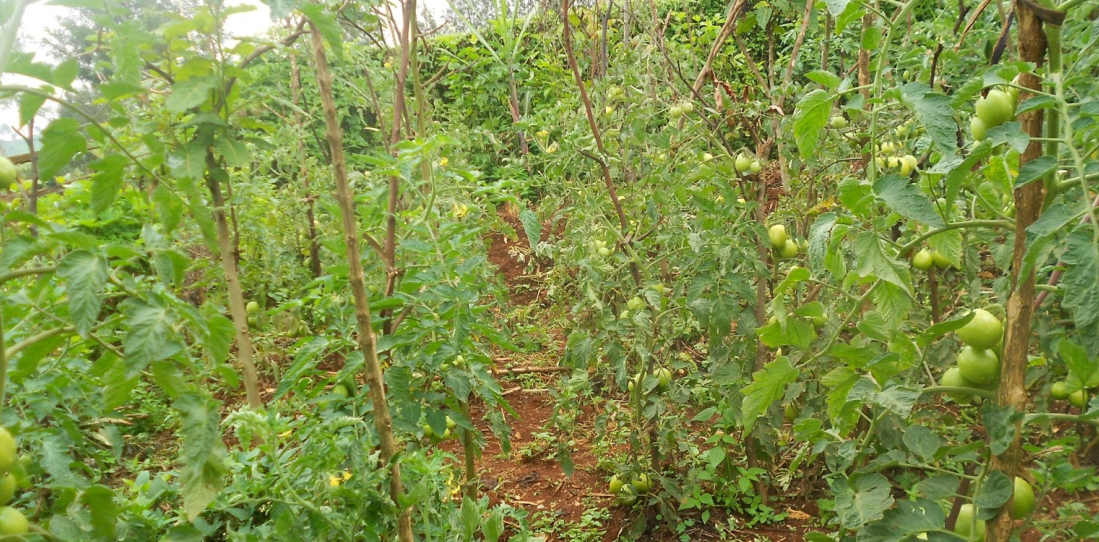
- Staking: Essential for indeterminate varieties.
- Mulching: Helps retain moisture and suppress weeds.
- Weeding: Do it regularly to reduce competition.
- Top Dressing: Use CAN or NPK after 3–4 weeks
Harvesting:
- Harvest starts 75–90 days after transplanting.
- Pick fruits at the mature green or red ripe stage, depending on the market.
Market & Profitability:
- Sold in fresh markets, supermarkets, processors.
- Major markets: Nairobi, Mombasa, Kisumu, and cross-border exports.
- Profitability: From 1 acre, a well-managed farm can yield 15–25 tons, with potential profits of Ksh 150,000–300,000+ per season


