


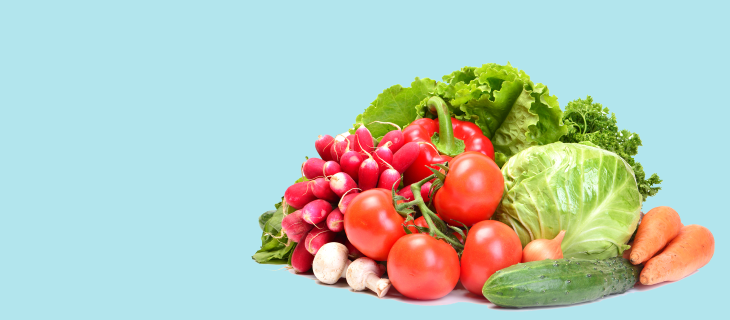











Cabbage (Brassica oleracea var. capitata) is one of Kenya’s most important vegetable crops, widely grown across highland and mid-altitude regions. Its popularity stems from its high market demand, nutritional value, and suitability to various agro-ecological zones. With proper agronomic practices, cabbage can be a highly profitable crop for smallholder and commercial farmers alike.
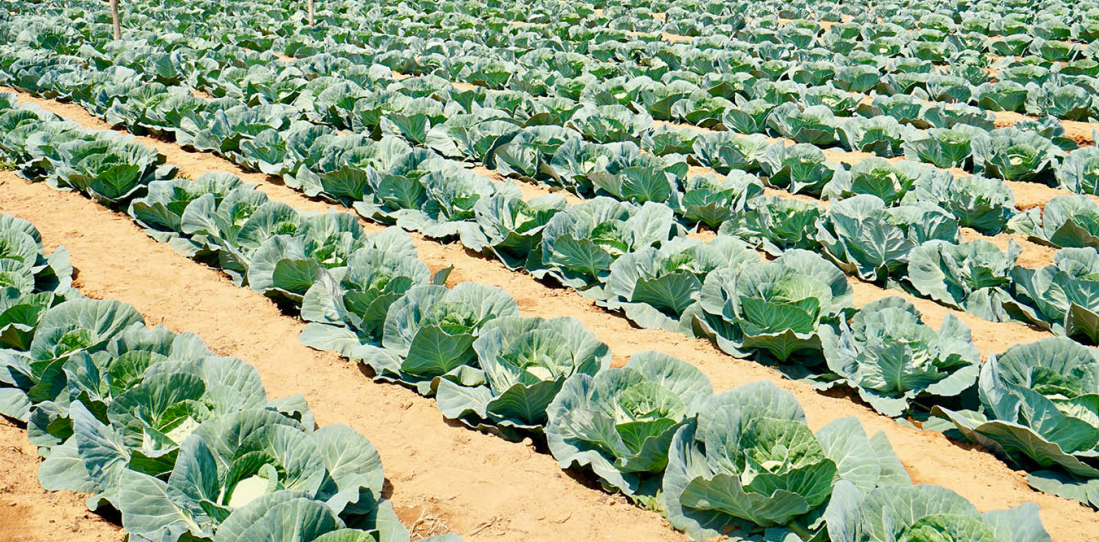
Major Cabbage Growing Areas in Kenya:
Cabbage thrives in cool, moist climates, making it ideal for regions with moderate to high altitudes. Key cabbage-producing areas in Kenya include:
Kiambu, Murang’a, Nyandarua, Nakuru, Meru, Eldoret, Limuru, Kericho, Mt. Kenya region (Embu, Kirinyaga)
Popular Cabbage Varieties in Kenya
Several cabbage varieties are grown in Kenya, each suited to specific climatic conditions and market preferences. Common varieties include:
- Gloria F1 – Early maturing, firm heads, good disease tolerance.
- Pruktor F1 – High yield potential, heat tolerant.
- Queen F1 – Firm heads, preferred for its long shelf life.
- Riana F1 and Green Challenger – Known for resistance to black rot and splitting.
- Victorial F1
Agronomic Practices for Successful Cabbage Production
1. Soil Preparation
Cabbage performs best in well-drained, fertile loam soils with a pH of 5.8 to 6.5. Land should be deeply ploughed and harrowed to a fine tilth. Incorporating compost or well-rotted manure improves soil fertility and structure.
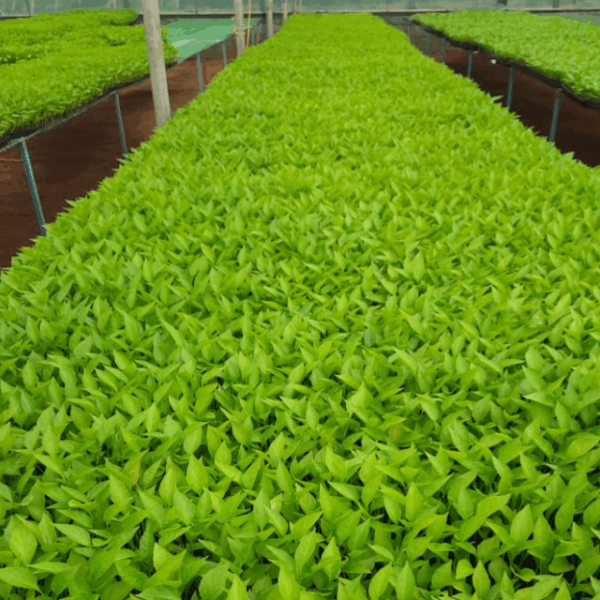
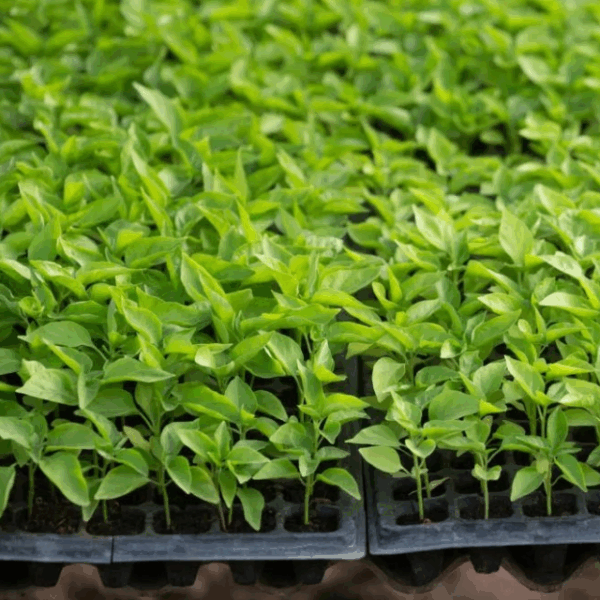
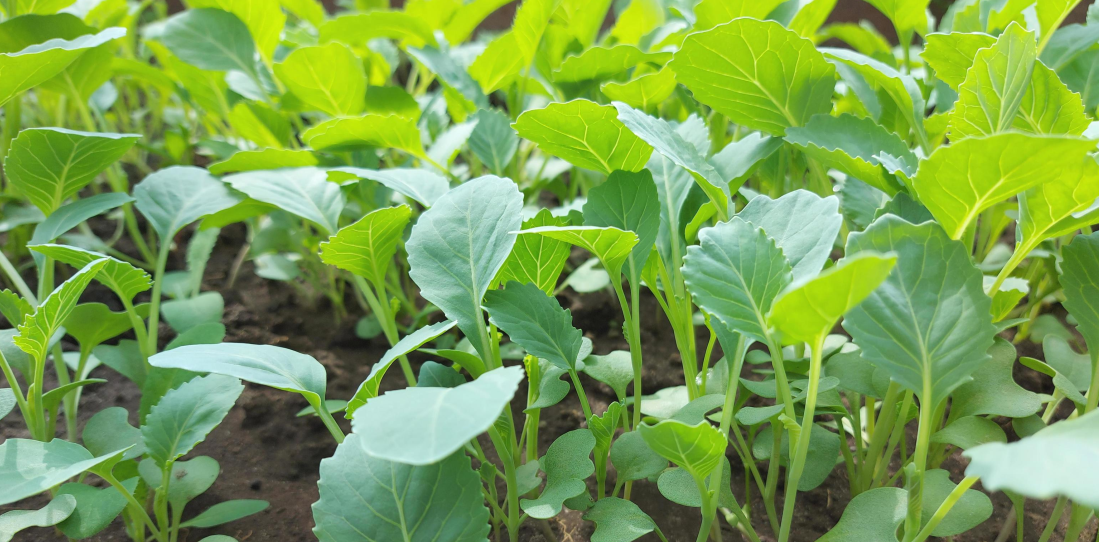
2. Nursery Establishment
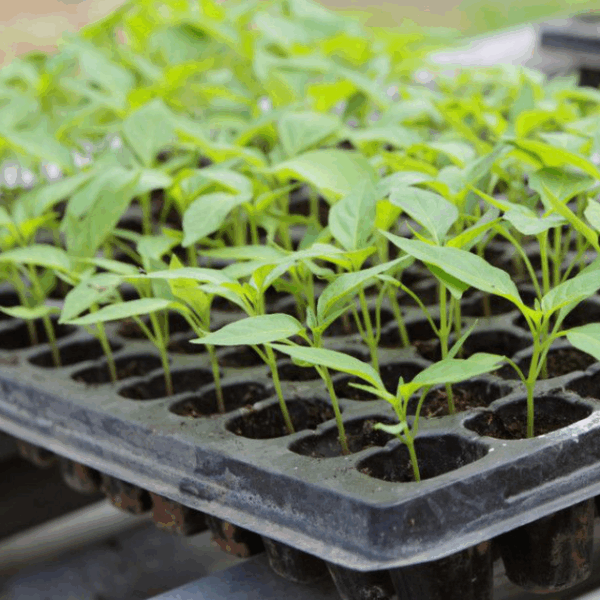
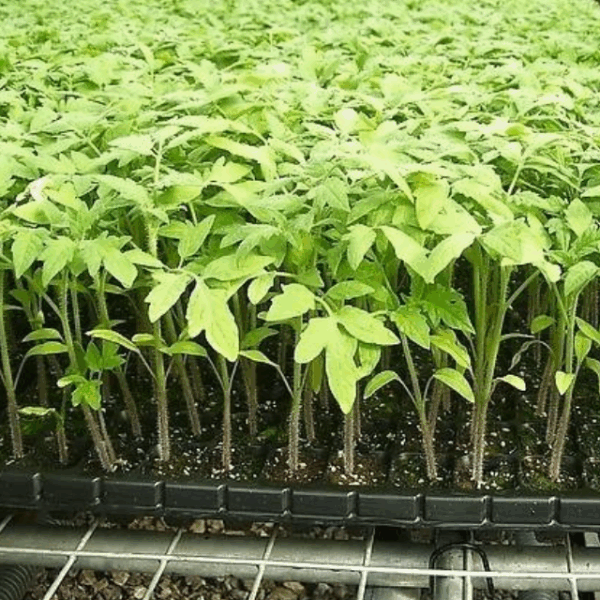
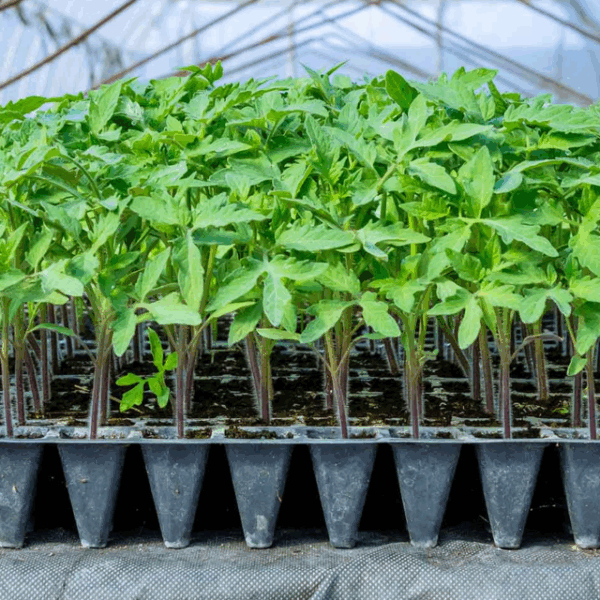
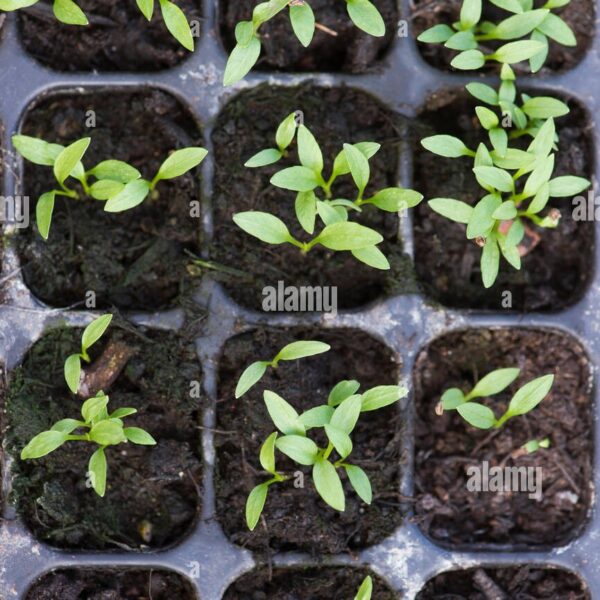
Cabbage is usually started in a nursery before transplanting:
Sow seeds in raised beds or seed trays.
Maintain consistent watering and shade during the germination stage.
Transplant seedlings when they have 4–5 true leaves (about 3–4 weeks old).
3. Transplanting and Spacing
- Transplant in moist soil, preferably late in the afternoon.
- Common spacing: 60 cm x 60 cm for large-headed varieties, 45 cm x 60 cm for smaller ones.
- Apply a starter fertilizer like DAP at transplanting.
4. Fertilization
- Basal: Use compost and DAP or TSP during transplanting.
- Top dressing: Apply CAN or urea 3–4 weeks after transplanting, followed by a second application two weeks later.
- A balanced nutrient regime (NPK, calcium, boron, magnesium) is key for proper head formation.
5. Irrigation
Cabbage requires regular water throughout its growth, especially during head formation. Drip irrigation or furrow systems are commonly used. Avoid waterlogging.
6. Weed and Pest Management
Weeding should be done regularly, especially early in the growth cycle.
Common pests:
- Diamondback moth
- Aphids
- Cabbage looper
- Cutworms
Control methods:
- Biological controls (e.g., Bacillus thuringiensis)
- Neem-based products
- Pesticides (use responsibly to avoid resistance and residue)
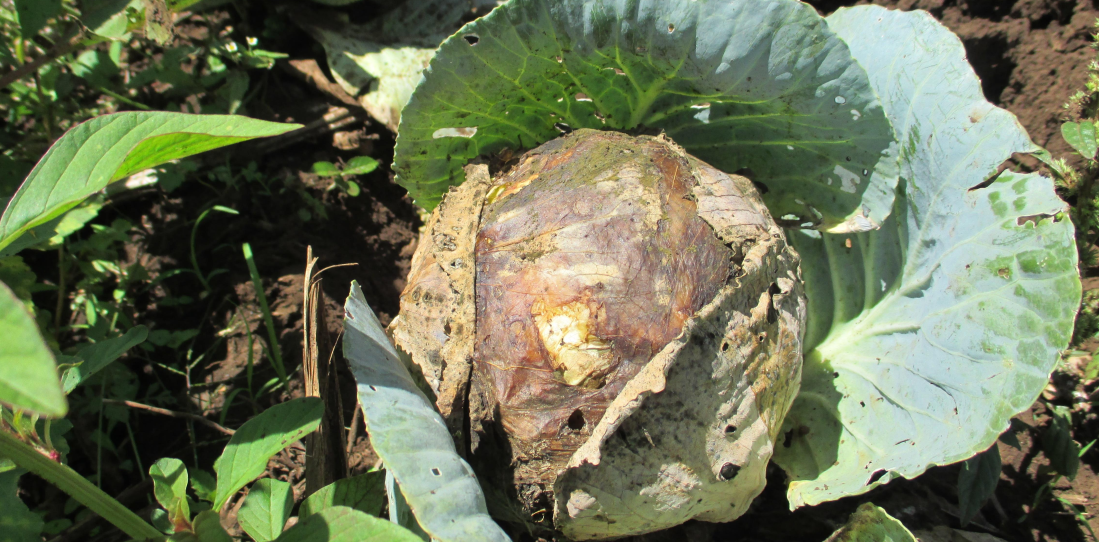
Diseases:
- Black rot
- Fusarium wilt
- Downy mildew
Use certified seeds, rotate crops, and practice good field hygiene to minimize disease.
7. Harvesting
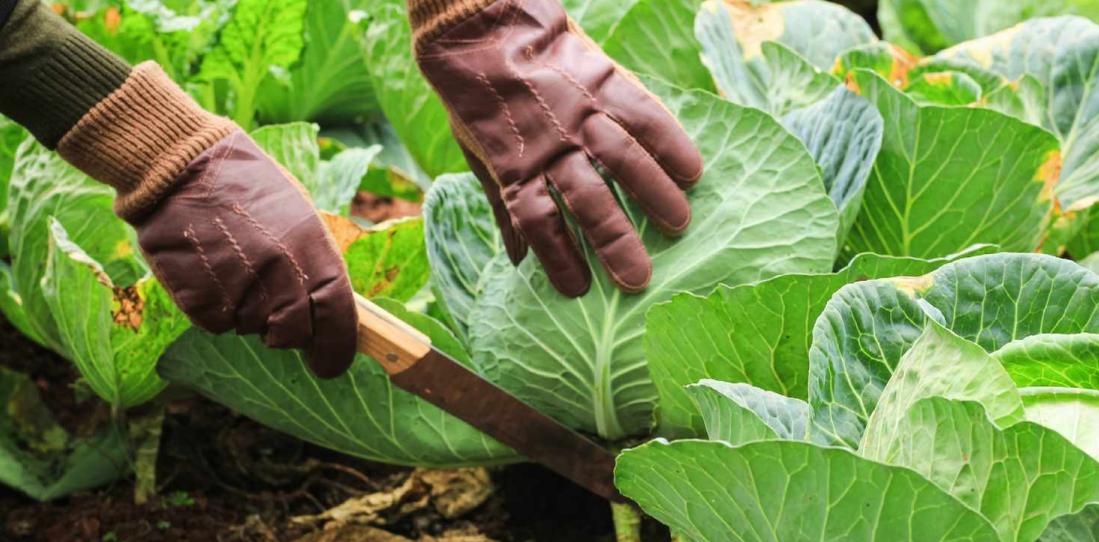
Cabbages are ready for harvest 75–100 days after transplanting, depending on variety. Harvest when heads are firm and well-formed. Delay in harvesting can lead to splitting and losses.
Market Opportunities and Value Addition
- Kenya has a strong domestic demand for cabbage in:
- Urban and peri-urban markets
- Institutional buyers (schools, hospitals)
- Roadside vendors and open-air markets
Opportunities also exist in:
Processing: Cabbage can be used in coleslaw, kimchi, or dried for soups.
Packaging: Proper packaging for supermarkets and export adds value.
Prices fluctuate depending on season and location, with peak demand during dry months when supply is low.
- Challenges Facing Cabbage Farmers:
- Pest and disease pressure, especially from climate change
- Price volatility due to market glut
- Limited access to irrigation in dry zones
- Poor post-harvest handling and transportation losses
Recommendations for Successful Production
- Use certified hybrid seeds suited to your region.
- Practice crop rotation to prevent soil-borne diseases.
- Adopt Integrated Pest Management (IPM).
- Train on post-harvest handling and market access.
- Form cooperatives for better bargaining power and access to inputs.
Conclusion:
Cabbage farming in Kenya offers excellent income potential when guided by sound agronomic practices. With growing urban populations and changing diets, the demand for leafy vegetables like cabbage continues to rise. By investing in quality inputs, efficient water use, and proper crop management, Kenyan farmers can make cabbage farming a reliable and sustainable agribusiness


