












Bird’s Eye Chilli
Small in size but formidable in flavor, the Bird’s Eye Chilli (Capsicum annuum or Capsicum frutescens) is a global culinary powerhouse. Measuring only about an inch to two inches long, this tiny pepper proves that you should never judge a pepper by its size. Whether known as pili-pili in Kenya and many parts of Africa, phrik khi nu in Thailand, or kanthari in India, it has earned an iconic status in the world.
The Heat and Flavor Profile
Clocking in between 50,000 to 175,000 Scoville Heat Units (SHU), the bird’s eye chilli is roughly 15 to 22 times hotter than a standard jalapeño. Beyond the intense, lingering burn, it offers a remarkably bright, fruity, and slightly earthy flavor profile. Unlike ultra-hot varieties that overwhelm the palate, bird’s eye chillies pack a clean punch that enhances rather than masks the other ingredients in a dish.
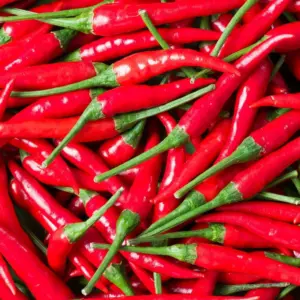
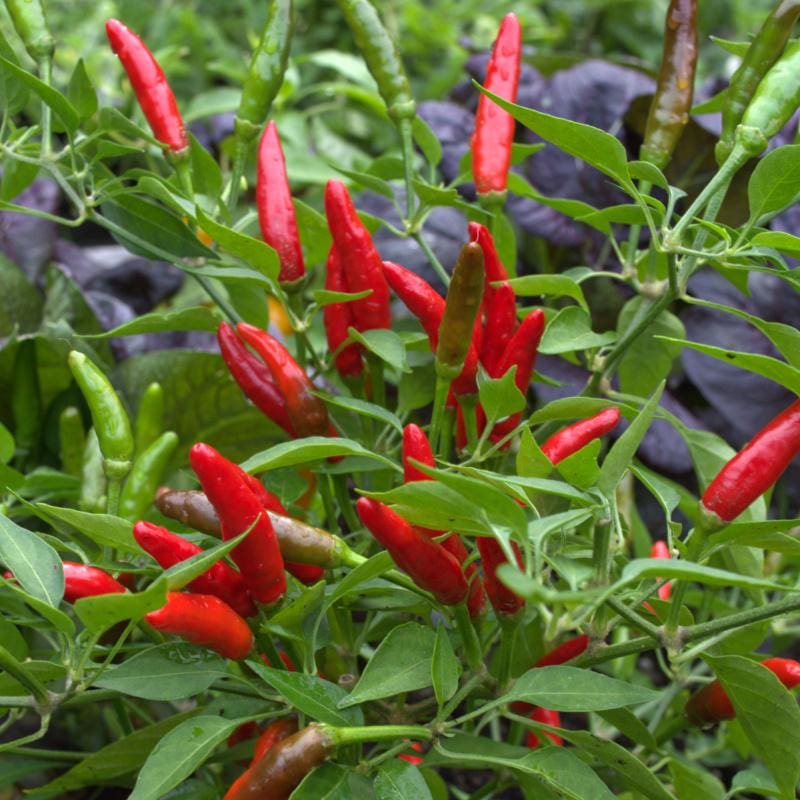
Freshly harvested Bird’s Eye Chilli
How to Grow Bird’s Eye Chilli
Bird’s eye chilli plants are remarkably resilient, thriving as perennial shrubs in tropical and subtropical climates.They prefer full sun, well-draining soil, and moderate watering.A distinct characteristic of many bird’s eye varieties is that the peppers grow pointing straight up toward the sky rather than hanging down.Because the plants are heavy producers, a single bush in a backyard garden or container pot can easily supply a household with fresh heat for months.
Handle them with care—always wash your hands thoroughly after slicing them up, unless you want a painful reminder of their potency. Do you usually prefer using fresh bird’s eye chillies or dried flakes when cooking?
Site and Climate Selection
Choose an open, sunny plot receiving 6 to 8 hours of direct sunlight daily. Bird’s Eye chilli thrives best in temperatures between 20°C and 30°C and performs exceptionally well in regions with altitudes under 1,500 meters above sea level.
Soil Preparation
Ensure the soil is fertile, loose, and well-drained loamy soil with an optimal pH between 5.5 and 6.8. Incorporate well-decomposed farmyard manure or compost (about 2 to 3 kg per square meter) during deep ploughing to boost structural fertility.
Seedlings Stage.
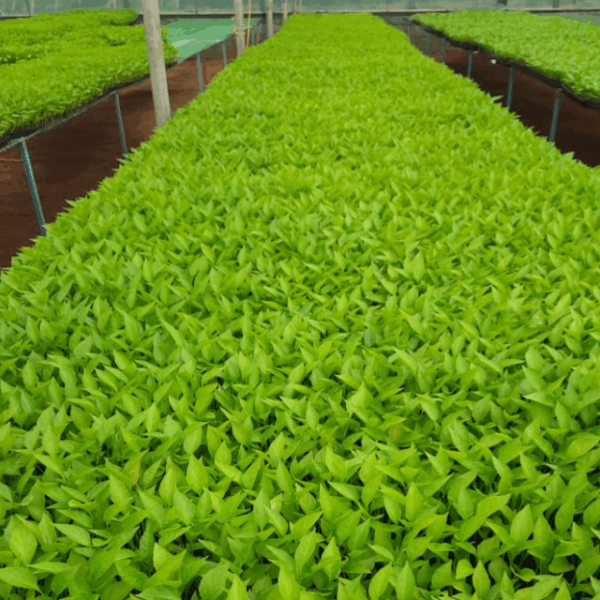
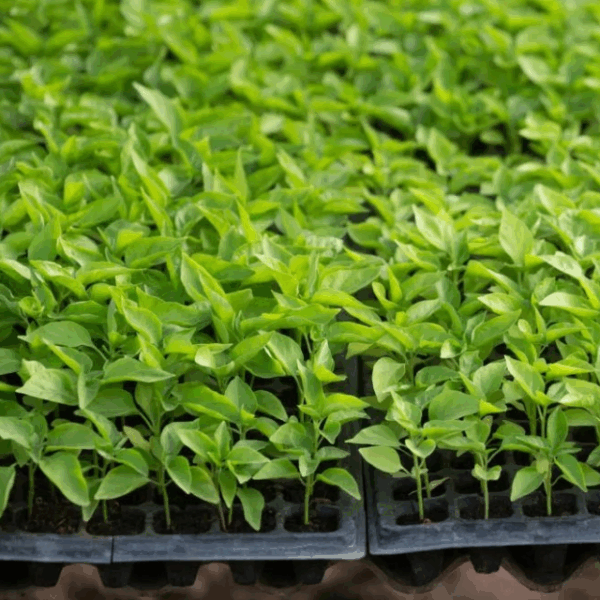
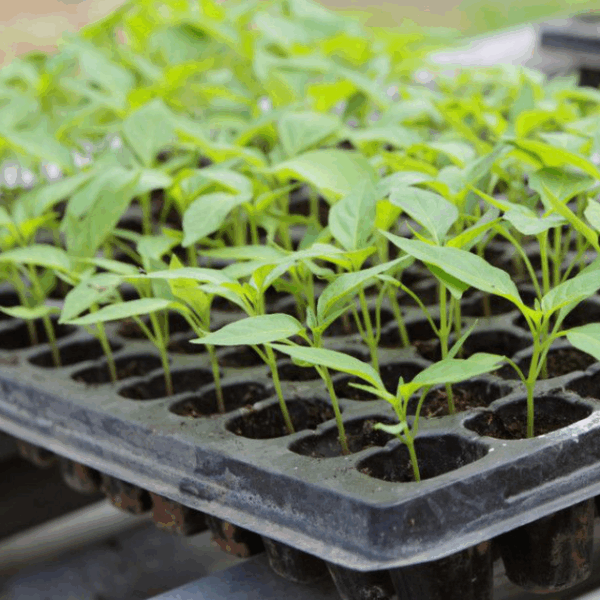
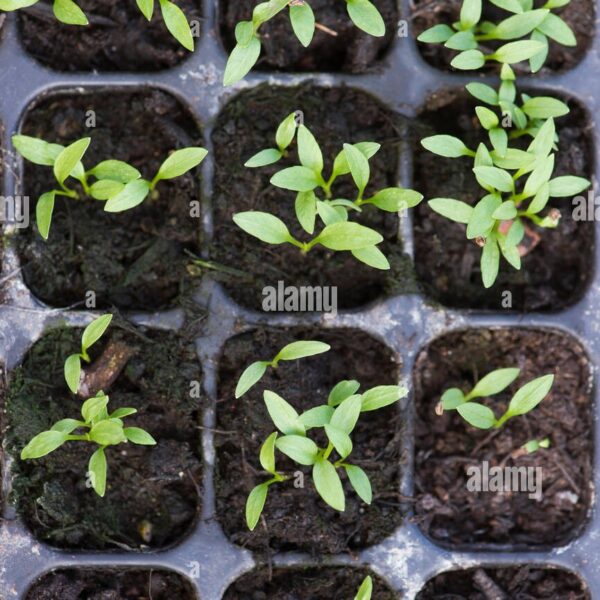
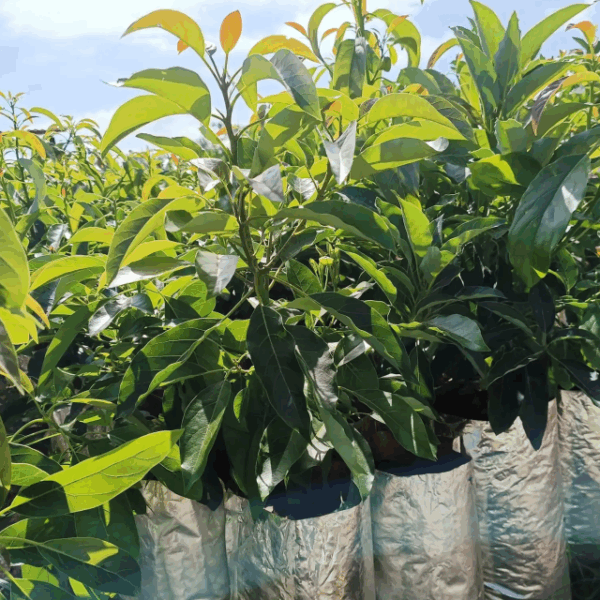
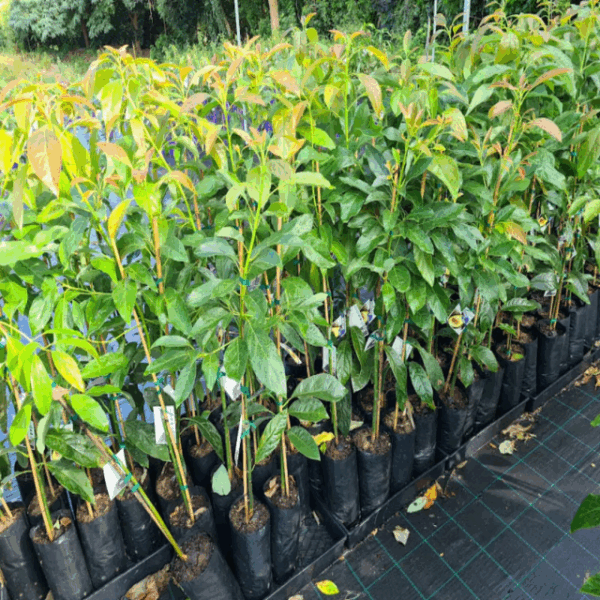
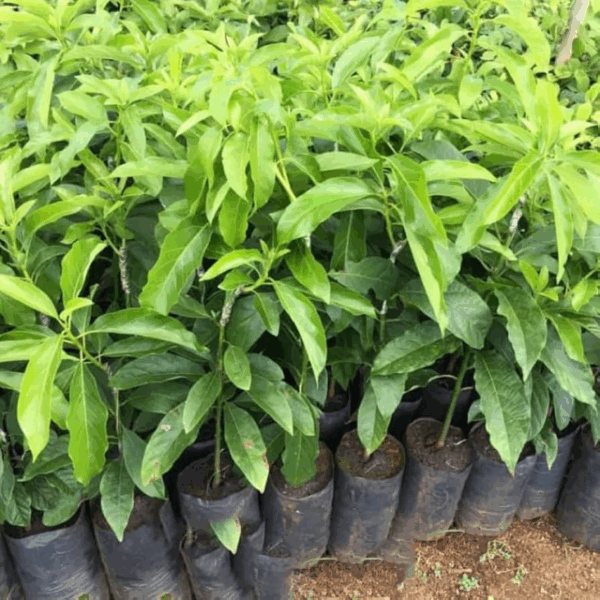
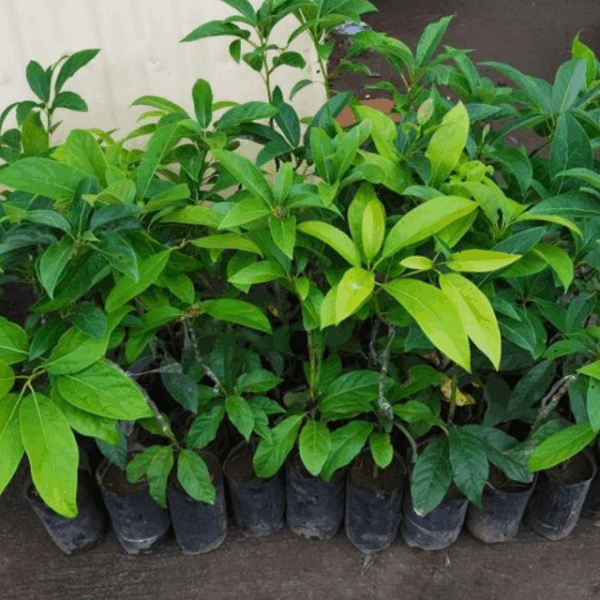
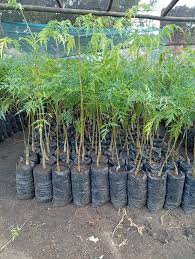
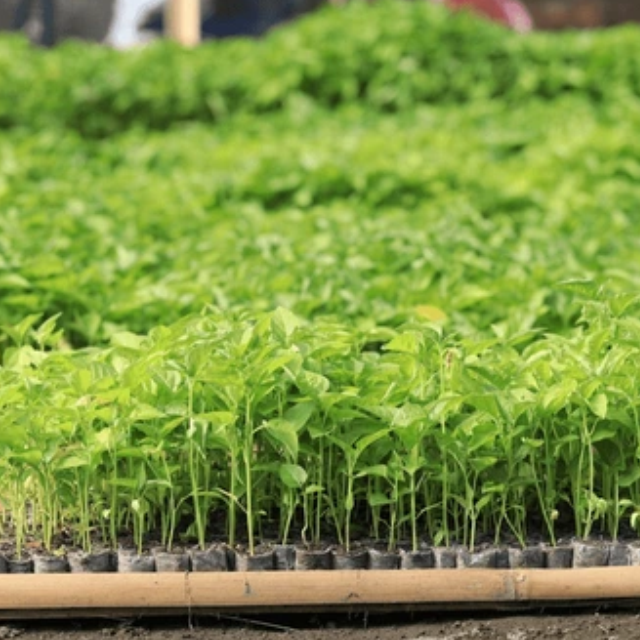
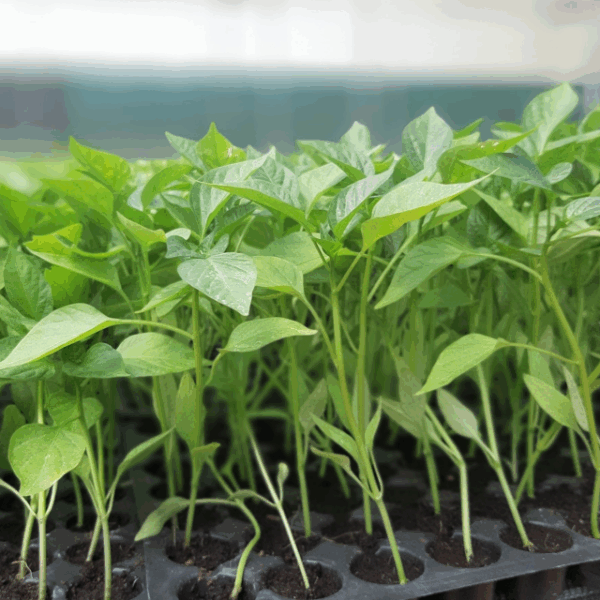
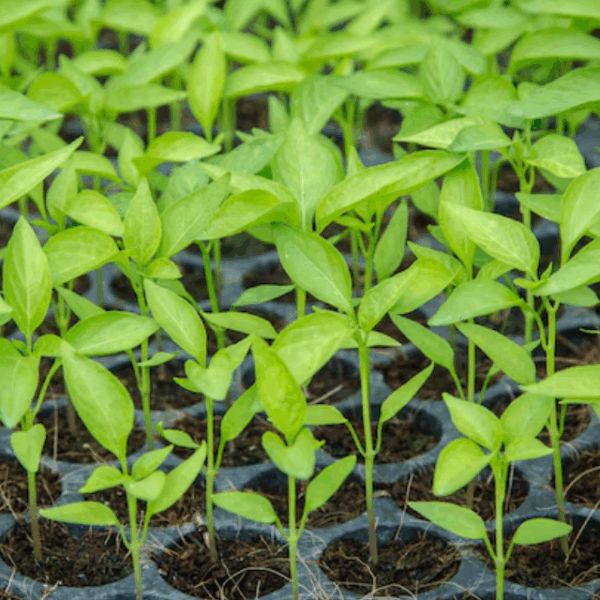
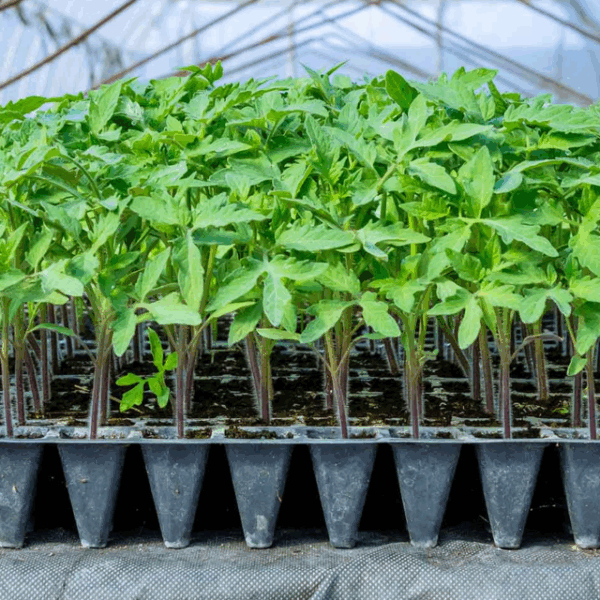
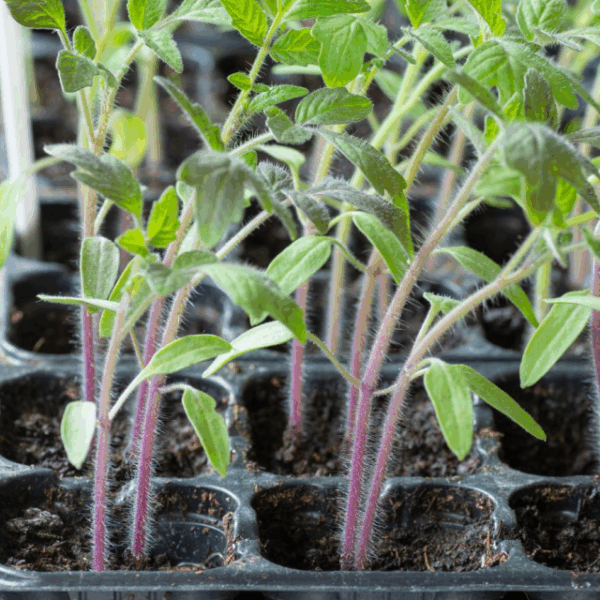
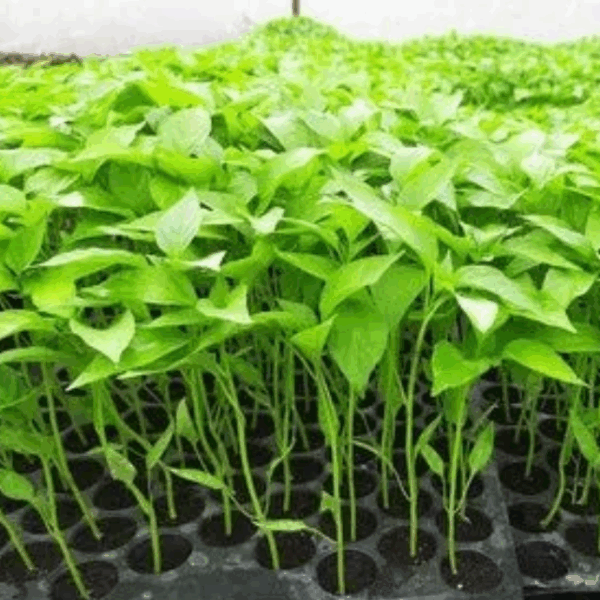
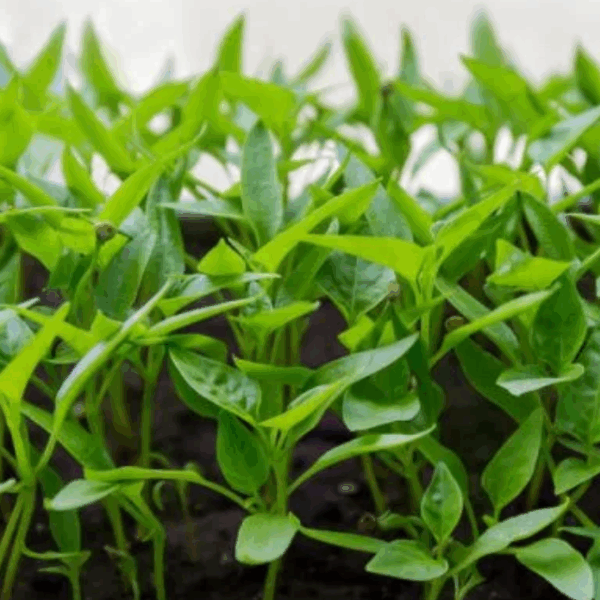
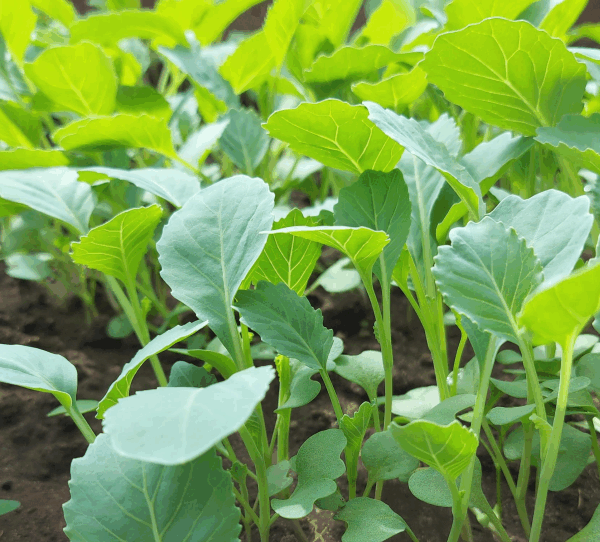
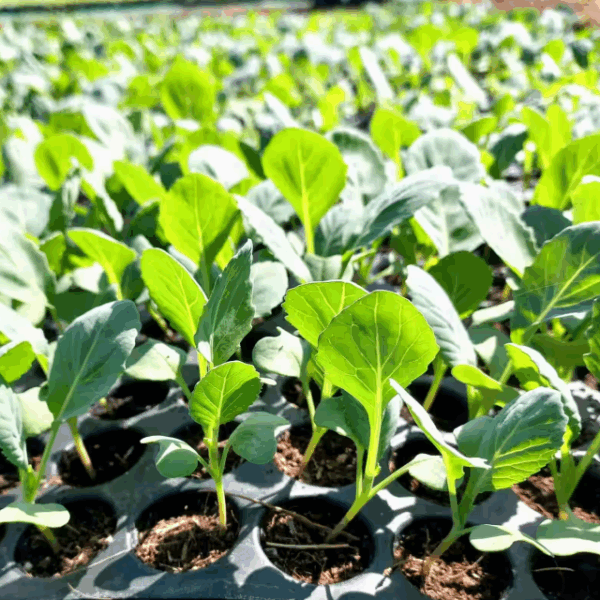
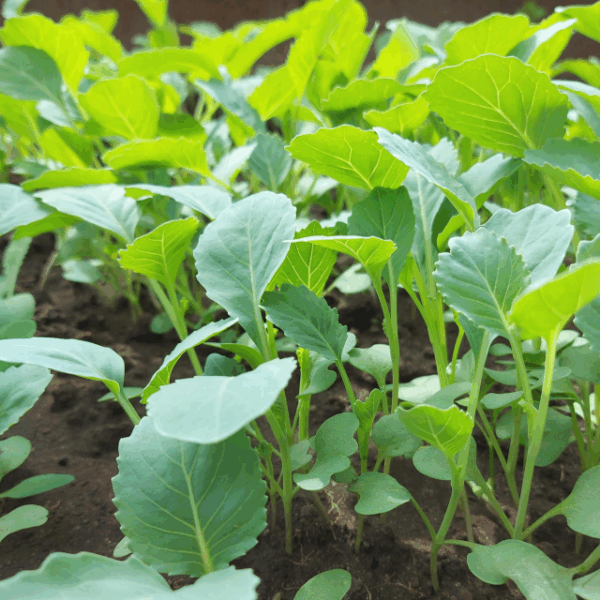
Buy ready certified seedlings from Panda Seedlings. This guarantees healthy, disease-free plants. Furthermore, purchasing ready seedlings saves you time and guarantees better yields
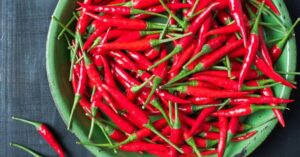
Transplanting
Space the seedlings at 60 cm between rows and 45 cm between plants (or roughly 2 by 2 feet), ideally during a cool, cloudy evening or light rain to minimize shock.
Watering and Nutrition
Maintain consistent soil moisture using drip irrigation where possible to keep foliage dry and prevent fungal issues. Apply a basal fertilizer like DAP at planting, top-dress with CAN around 3 weeks later for vegetative growth, and switch to potassium-rich fertilizers (such as NPK or Sulphate of Potash) during the flowering and fruiting stages.
Harvesting and Drying
Harvesting usually commences75 to 90 days after transplanting. Pick only fully ripe, bright red chillies along with their stalks on a weekly basis to stimulate continuous production.
Bird’s Eye Chilli Yield Breakdown
- Yield Per Acre (Fresh Produce): A well-managed acre of African Bird’s Eye (ABE) chilli typically yields between 3,000 kg and 8,000 kg of fresh fruit per year, depending on the seed variety (open-pollinated vs. high-yielding F1 hybrids), soil fertility, and consistent irrigation.
- Yield Per Acre (Dried Produce): Because chilli loses about two-thirds of its weight during drying, 1 acre translates to approximately 1,000 kg to 3,000 kg of dry chilli annually.
- Yield Per Plant: An individual, healthy, well-nurtured bird’s eye chilli plant can produce roughly 300g to 600g of fresh fruit per season, though under optimal hybrid management and long harvest windows, exceptional plants can push higher.
- Harvest Timeline: Harvesting typically begins 70 to 90 days after transplanting. Unlike single-harvest crops, bird’s eye chilli is a perennial-like multi-picker; fruits can be harvested weekly over an extended window of several months, significantly boosting cumulative seasonal yields
Post Harvest Management
Harvested birds eye chilli can be sold fresh or dried. You can Sun-dry the harvested chillies on clean mats for 5 to 7 days until they become brittle before storage for value addition. For quick drying, consider drying them inside a natural sun dryer. This method dries them faster and helps in retaining the nutrients.
Uses and Benefits of African Birds Eye Chilli.
- Cooking: Used in Asian, African, and Mexican dishes, soups, and sauces.
- Health: Contains capsaicin, which helps boost metabolism and reduce pain.
- Gardening: Used as a natural pest repellent spray when boiled with water and garlic
Why buy ready Birds Eye Chilli Seedlings from us?
- We save your time and labor
- We give you compact, healthy disease-free plants
- We give you uniform seedlings, guaranteeing you uniform crop maturity.
- Our seedlings guarantee you consistent plant population,
Enjoy fast seedlings delivery when you place an order with us. You can buy capsicum seedlings through our online seedling shop or physically at Panda Seedlings propagation centre.


Reviews
Clear filtersThere are no reviews yet.