










Mfalme F1 Kales
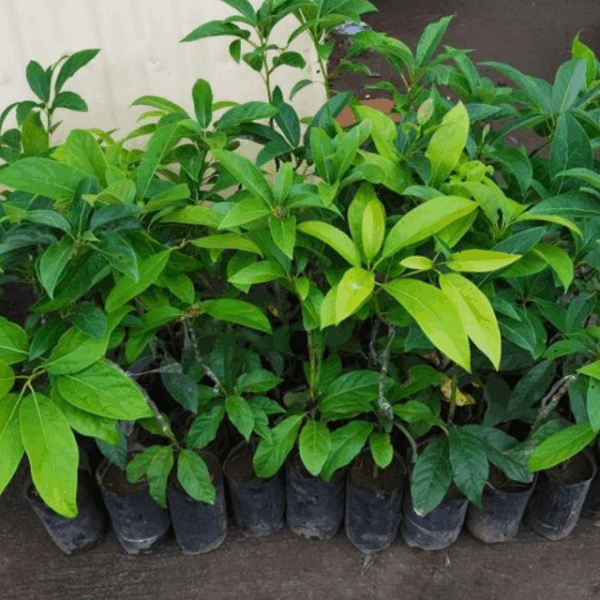
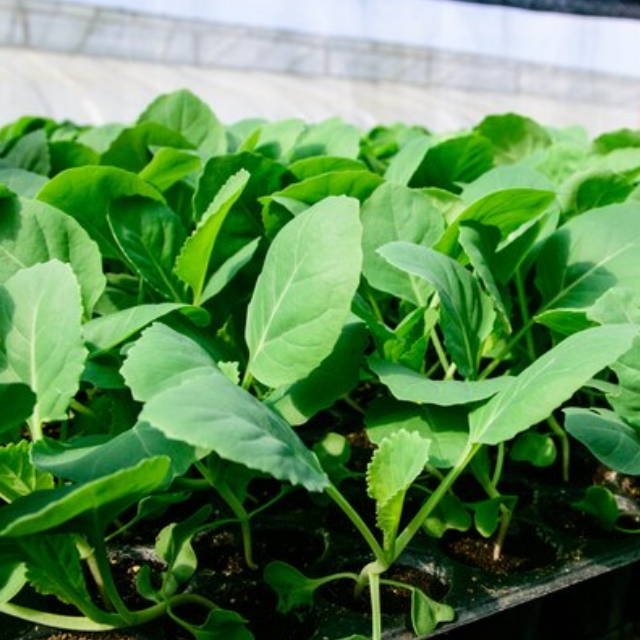
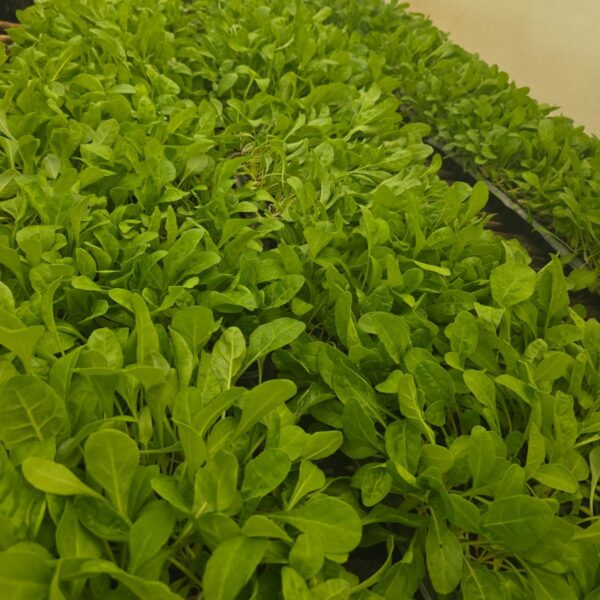
Mfalme F1 is a high yielding and nutritious kale variety grown in Kenya. Mfalme F1 is a unique variety because it is resistant to bolting which commonly attacks other kale varieties. The leaves are tender and crunchy, making them an ideal source of vitamins. Hybrid Mfalme is also a popular commercial crop due to its longer harvesting period. It is thus one of the best incoming generating crops for farmers.
Features and Benefits
- The crop is ready for harvesting in about 45 days from transplanting, with a harvesting period that can extend for a year or more
- Yield: Mfalme F1 can yield up to 800 bags per acre under good agronomical practices.
- Taste: Its leaves are dark bluish-green, soft and sweet—easy to cook
- Notably non-acidic, making it suitable for people with ulcers or acid reflux
How to Grow Mfalme F1 from seedlings for maximum yields.
Soil Preparation
Mfalme F1 performs best in well-drained, fertile loam soils with a pH of 5.8 to 6.5. Land should be deeply ploughed and harrowed to a fine tilth. Incorporating compost or well-rotted manure improves soil fertility and structure.
Nursery Establishment and seedlings stage.
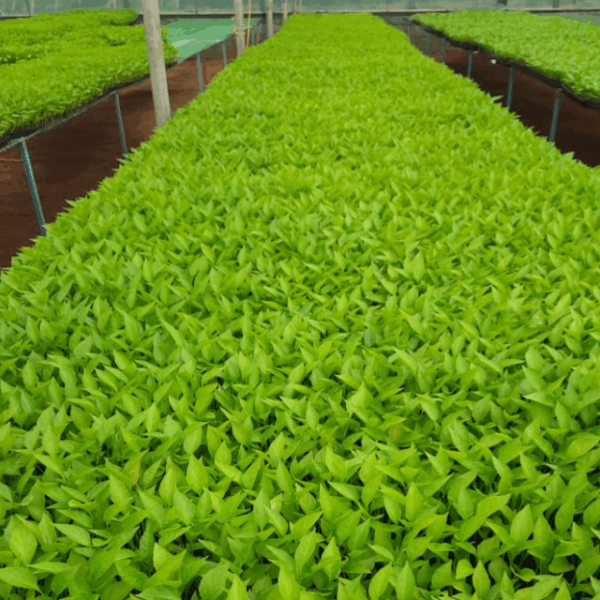
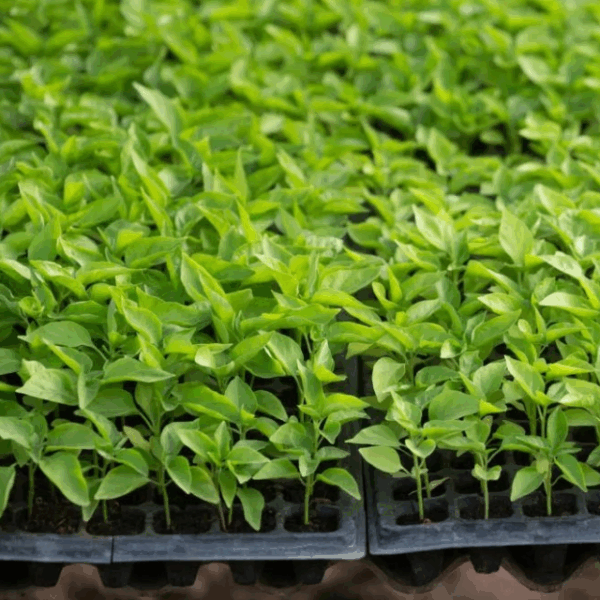
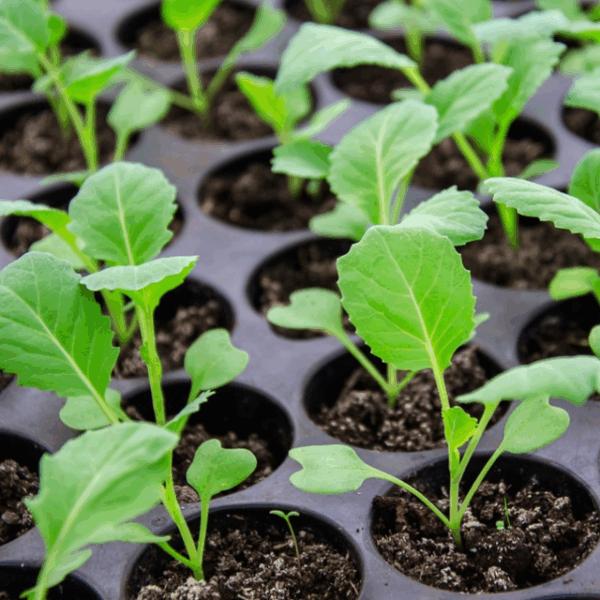
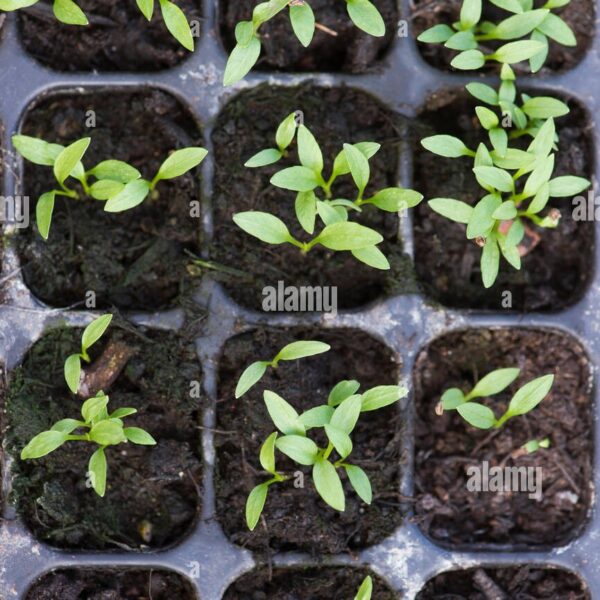
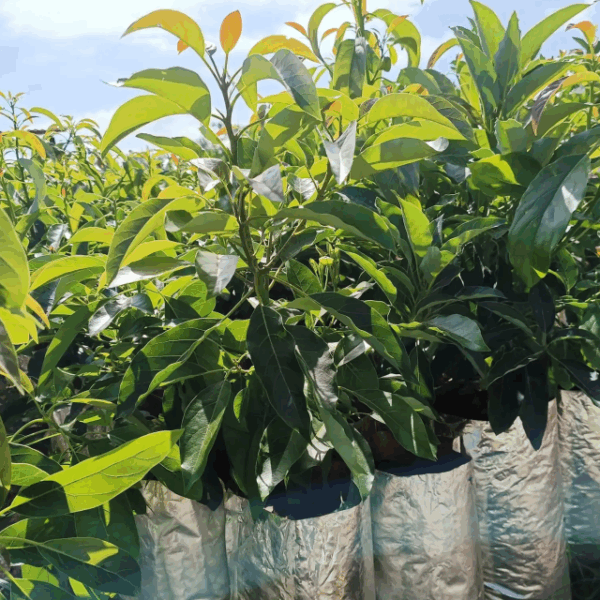
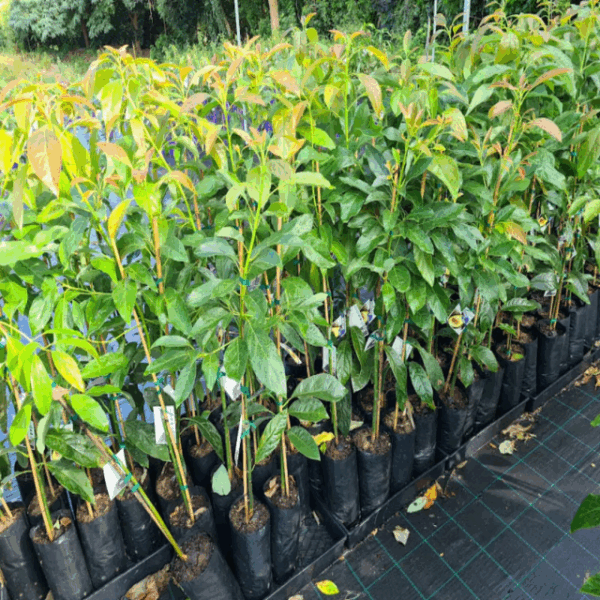
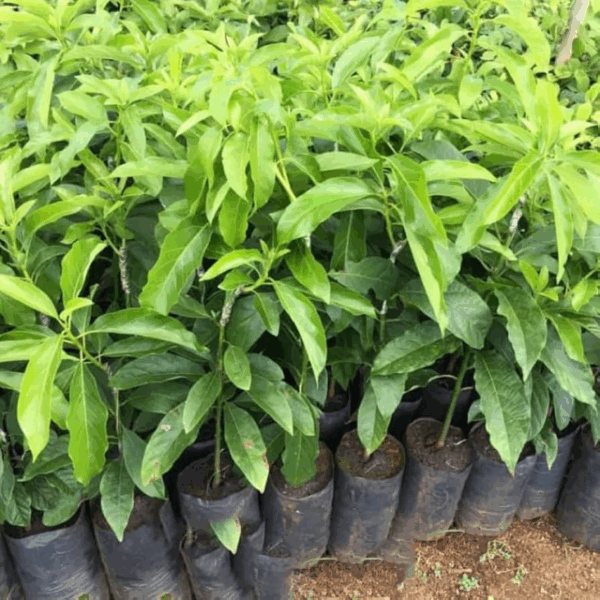
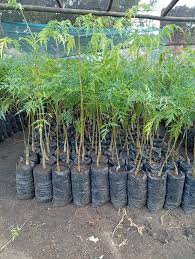
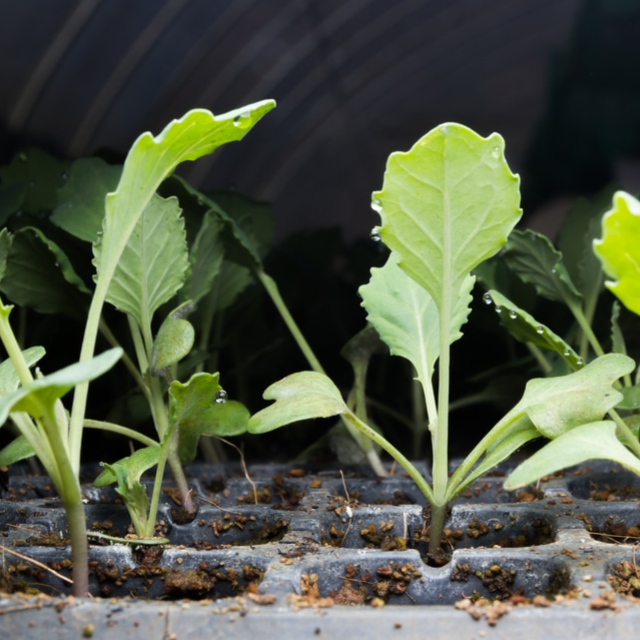
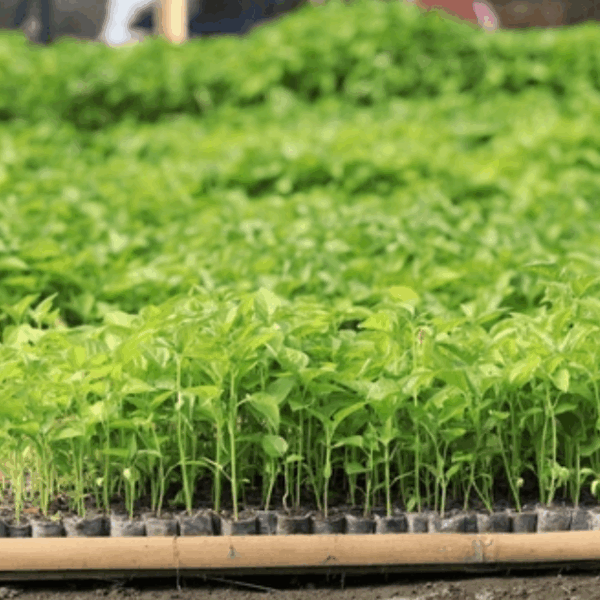
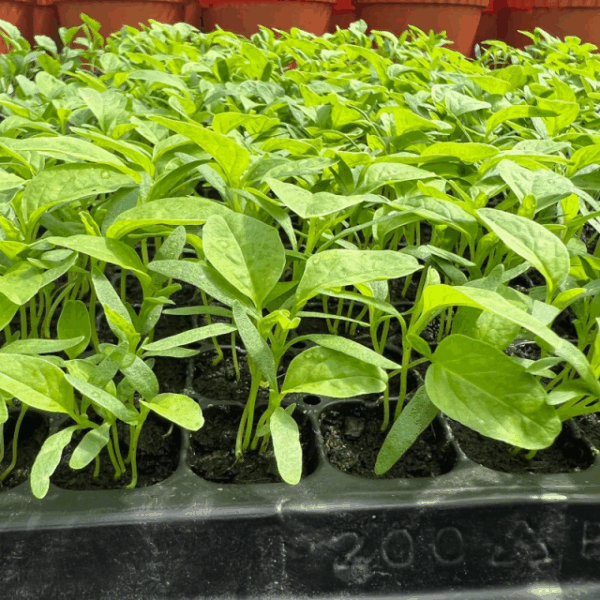
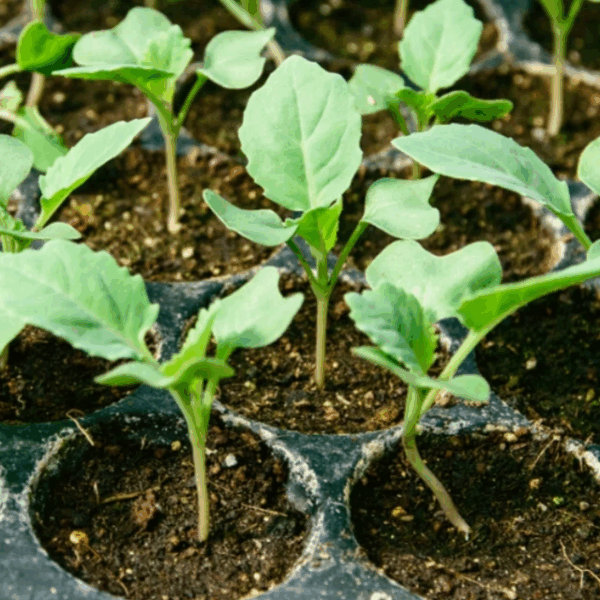
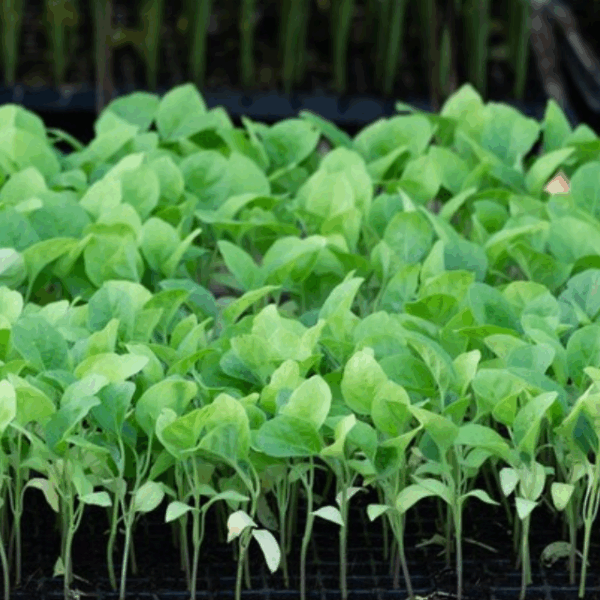
Hybrid Mfalme is usually started in a nursery before transplanting. Purchase strong healthy seedlings from Panda Seedlings and Nurseries that will guarantee a good take off.
Transplanting and Spacing
- Transplant Hybrid Mfalme F1 seedlings when they have 4–5 true leaves (about 3–4 weeks old).
- Transplant in moist soil, preferably late in the afternoon.
- Common spacing: 60 cm x 60 cm or 45 cm x 60 cm. Please ensure there is enough path in the farm to ease farm operations.
- Apply a starter fertilizer like DAP at transplanting. Use of organic manure is highly encouraged.
Crop Nutrition
Planting: Use compost and DAP or TSP during transplanting.
Top dressing: Apply CAN or urea 3–4 weeks after transplanting, followed by a second application two weeks later.
A balanced nutrient regime (NPK, calcium, boron, magnesium) is key for proper head formation.
Irrigation
Mfalme F1 Kales requires regular water throughout its growth, especially during leaf expansion. Drip irrigation, sprinkler or furrow systems are commonly used. Avoid waterlogging.
Weed and Pest Management
Weeding should be done regularly, especially early in the growth cycle.
Common pests:
- Diamondback moth
- Aphids
- Cabbage looper
- Cutworms
Control methods:
- Biological controls (e.g., Bacillus thuringiensis)
- Neem-based products
- Pesticides (use responsibly to avoid resistance and residue)
Diseases:
- Black rot
- Fusarium wilt
- Downy mildew
Purchase certified seedlings from Panda Seedlings, rotate crops, and practice good field hygiene to minimize disease. You also benefit from agronomical support when you purchase seedlings from us.
Harvesting
Cabbages are ready for harvest 75–100 days after transplanting, depending on variety. Harvest when heads are firm and well-formed. Delay in harvesting can lead to splitting and losses.


Reviews
Clear filtersThere are no reviews yet.